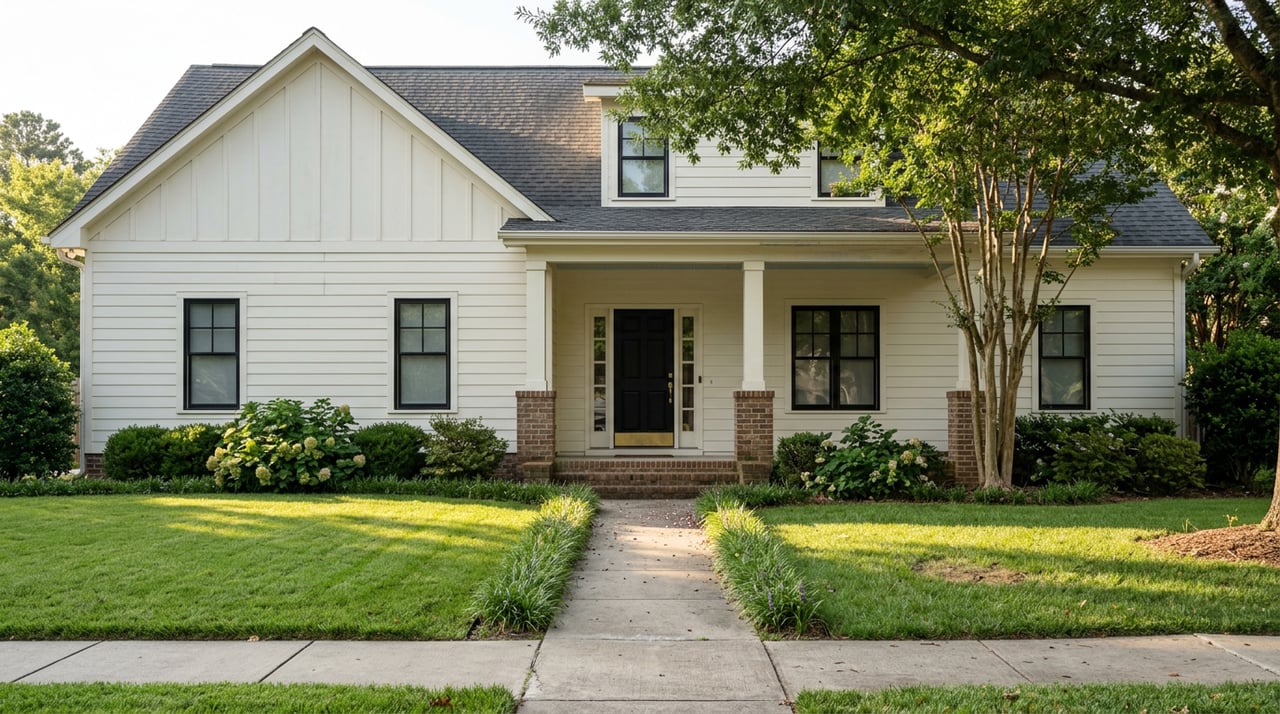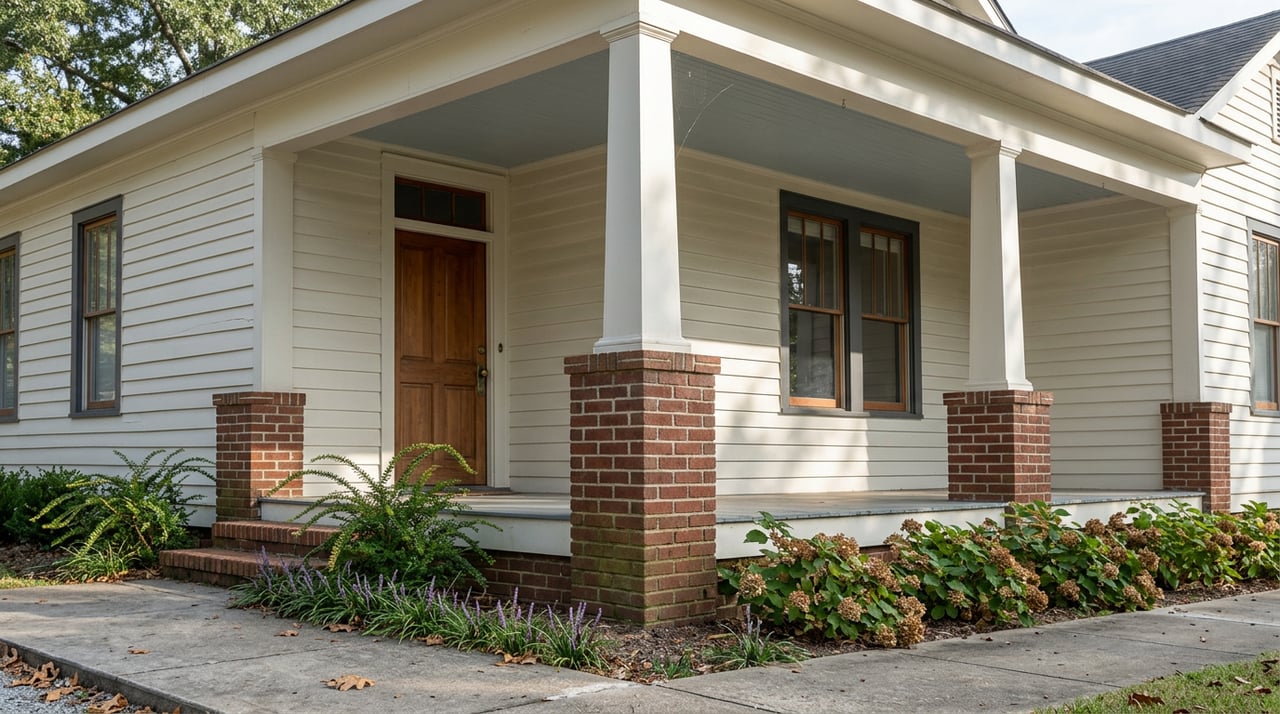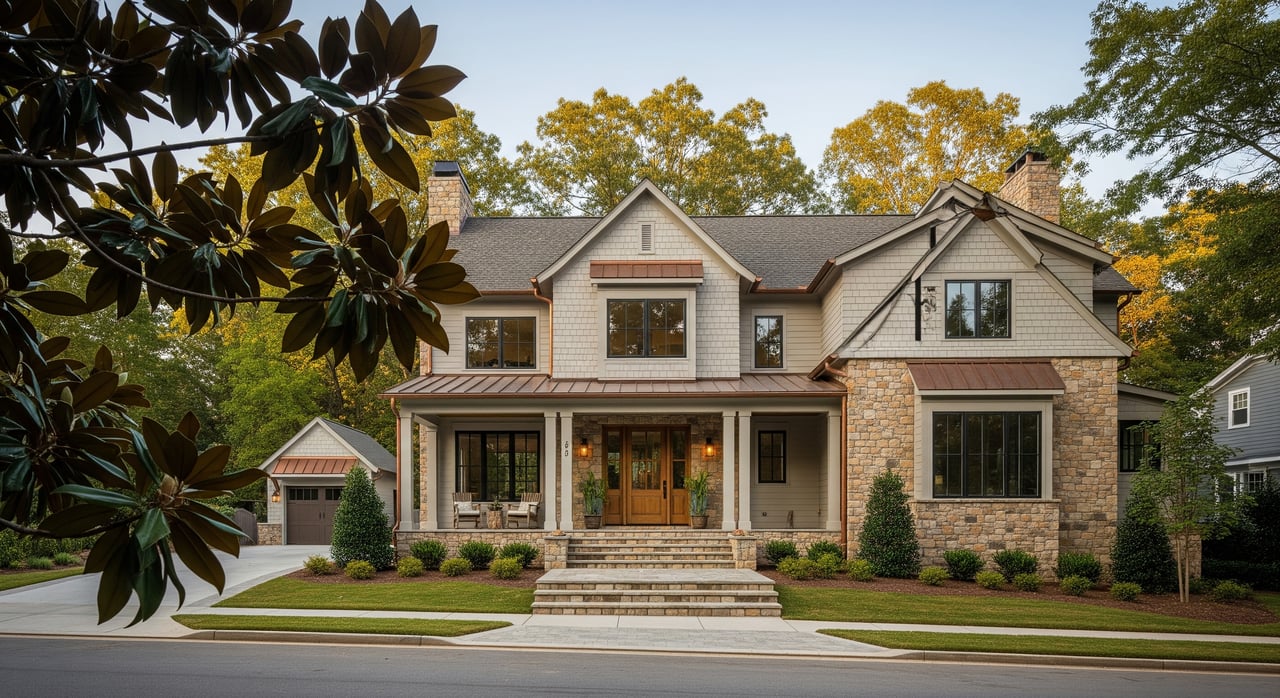
Ever wonder why your agent’s price opinion and your lender’s appraisal do not always match? When you are buying in Carrboro, it is normal to hear two numbers for the same home and feel unsure which one to trust. You want clarity before you write an offer or clear underwriting. This guide breaks down CMAs and appraisals, explains how values are formed locally, and shows you what to expect at each step. Let’s dive in.
CMA vs. appraisal: the basics
A Comparative Market Analysis, or CMA, is your agent’s opinion of value based on recent local sales, active and pending listings, and adjustments for differences. You use it to shape your offer strategy and negotiation plan. It is not a formal appraisal and it is not regulated the same way.
A lender appraisal is a formal valuation prepared by a state-licensed or certified appraiser for your lender. It follows professional standards, including the Uniform Standards of Professional Appraisal Practice, and supports the lender’s underwriting. The lender uses the appraised value to decide how much it is willing to lend on the property.
County assessed value is different from market value. In Orange County, the Tax Administrator maintains assessed values for property tax purposes, which may not reflect current market conditions.
How value is built in Carrboro
Both agents and appraisers rely on a core set of data when estimating value:
- MLS sold data for nearby, recent transactions.
- Public records, including deeds, tax records, and plats.
- Active and pending listings for context on momentum and competition.
- Local market knowledge, such as off-market activity and neighborhood demand.
Local factors that shift value
Carrboro has specific value drivers you should keep in mind:
- Proximity to UNC–Chapel Hill and related demand from students, faculty, and staff can influence pricing and investor interest.
- School district boundaries are a consideration for many buyers and can impact value perceptions.
- Neighborhood character and zoning, including historic overlays, walkability to downtown Carrboro, lot size, and mature tree canopy.
- Inventory and seasonality in the Triangle can compress days on market and affect pricing trends.
- Property condition and upgrades, like recent kitchen or bath renovations, HVAC, structural work, or permitted additions.
- Topography, flood zones, and whether the home is on septic or sewer can affect marketability and financing.
- Comparable size and functional utility, including square footage, bed and bath count, layout, and parking.
Choosing the right comps locally
In Carrboro, the best comps are typically nearby and recent. Agents and appraisers often start with the same neighborhood or a one-mile radius, choose sales from the past 3 to 6 months when possible, and match property type, age, and condition. Adjustments account for differences, such as finished area or renovation level, based on what the local market pays for those features.
How lender appraisals work
Appraisals in North Carolina are completed by appraisers licensed or certified by the North Carolina Appraisal Board. For typical single-family homes in Carrboro, the Sales Comparison Approach is usually the primary method, supported by Cost or Income approaches when relevant.
What to expect during the appraisal
- The lender orders the appraisal, often through an appraisal management company.
- The appraiser inspects the home, usually inside and out, takes photos, measures living area, and notes condition and improvements.
- The report includes selected comparable sales, adjustments, and a reconciled opinion of market value.
Typical turnaround is about 3 to 7 business days after the inspection, depending on workload and property complexity. Fees for a standard single-family appraisal commonly fall in the several-hundred-dollar range, often around 350 to 700 dollars, though local fees vary.
How the lender uses the appraisal
Your lender uses the appraised value to confirm the collateral for the loan. If the appraisal comes in below the contract price, you may be asked to bring extra cash, renegotiate the price, request a reconsideration of value through your lender, or rely on an appraisal contingency if your contract includes one. Lenders can review or order a second appraisal when appropriate.
Why appraisals sometimes come in low
In Carrboro, low appraisals often stem from:
- Comps that are not truly comparable because of distance, timing, or property type.
- Rapid price shifts when the market is moving faster than closed sales reflect.
- Condition issues or deferred maintenance not balanced by planned upgrades.
- Unique features or lots without strong closed-sale support.
- Limited recent sales for a niche property type.
What a CMA includes and how it helps
A strong CMA for Carrboro compiles recent closed sales in the immediate area, plus current competition and pending sales to gauge momentum. It explains adjustments, sets expectations for days on market, and helps you target an offer price and negotiation range.
Strengths and limits of a CMA
- Strengths: real-time market context, visibility into competition, and tailored strategy for your goals.
- Limits: it is not regulated like an appraisal, and two agents may reach different conclusions based on comp selection and interpretation.
The best approach is to treat your CMA as your playbook while understanding that your lender’s appraisal is the underwriting benchmark.
Putting it together when you buy in Carrboro
Before you write an offer, ask your agent for a detailed CMA that focuses on the closest, most recent, and most similar sales. Pair that analysis with your contingency plan, including inspection and appraisal considerations. In competitive situations, discuss the risks of appraisal gap clauses or waiving contingencies. These tactics can strengthen offers but raise your exposure if the appraised value is lower than the contract price.
At contract: appraisal game plan
- Clarify your appraisal contingency terms and timelines in the North Carolina contract.
- Coordinate access for the appraiser and share a concise upgrades list and permits.
- Ask your lender about review or reconsideration steps if value comes in low.
If the appraisal is low
You have options:
- Bring additional cash to cover part or all of the gap.
- Renegotiate the price with the seller.
- Submit a reconsideration of value request through your lender with better comps or documentation.
- If protected by contingency, consider terminating within deadlines.
In all cases, assemble evidence that supports value, such as permits for renovations, contractor invoices, and strong nearby sales that the appraiser may not have included.
Smart documentation to support value
Keep these items ready during your search and under contract:
- Permits and certificates of occupancy for major work.
- Contractor invoices, specifications, and warranties for upgrades.
- A list of improvements with dates and costs.
- Recent comparable sales with closing details that align with your property’s features.
- Information on rental income if the property’s income potential is part of the value story.
When a private appraisal makes sense
Consider a pre-offer or pre-listing appraisal when a home is highly unique, recently and extensively renovated, or when price certainty is important, such as estate or divorce situations. Buyers may also commission a private appraisal for their own insight, though the lender will still require its own appraisal for underwriting.
Key takeaways for Carrboro buyers
- Use a CMA to shape your offer and negotiation, and expect the lender’s appraisal to set the financing benchmark.
- Focus on the best local comps and the factors that drive Carrboro value, including proximity to UNC, inventory shifts, property condition, and site-specific elements like flood zones or septic.
- Prepare a plan for appraisal outcomes and keep documentation that supports value ready to share through your lender if needed.
When you want local guidance that blends neighborhood knowledge with disciplined process, you deserve advisors who have navigated these scenarios many times. If you are planning a purchase in Carrboro or anywhere in the Chapel Hill area, connect with Terra Nova Global Properties to talk strategy and next steps.
FAQs
What is the difference between a CMA and an appraisal in Carrboro?
- A CMA is your agent’s opinion of value for pricing and negotiation, while an appraisal is a formal valuation by a licensed appraiser used by your lender for underwriting.
How long does a lender appraisal take in Orange County?
- The typical turnaround is about 3 to 7 business days after inspection, but timing depends on workload and property complexity.
Can an appraiser use the same comps my agent used in the CMA?
- Yes, there is often overlap, but appraisers must follow appraisal standards and support their adjustments with market evidence in a formal report.
What happens if my appraisal comes in below the contract price in North Carolina?
- You can bring extra cash, renegotiate price, request a reconsideration of value through your lender, or use your appraisal contingency if your contract allows it.
Are Orange County tax assessments the same as market value?
- No, assessed values are for taxation and may lag current market conditions, so they often differ from market value.
Do appraisals consider active or pending listings in Carrboro?
- Closed sales carry the most weight, while active and pending listings provide context on trends and competition.