Picture a place where you can stroll along a river after dinner, then be at a university lab or a downtown office in under an hour the next morning. If you are eyeing the Research Triangle but want a quieter day-to-day rhythm, Hillsborough might be the balance you are after. In this guide, you will get a grounded feel for neighborhoods and housing, commutes, parks and trails, schools and services, and how daily life flows in this historic Orange County town. Let’s dive in.
Where Hillsborough fits in the Triangle
Hillsborough is Orange County’s seat and a historic river town within the greater Durham–Chapel Hill–Raleigh region. You will feel the small-town scale right away, from the compact downtown to the tree-lined streets and surrounding open land. Many residents choose Hillsborough for its community vibe and historic character, then commute to jobs in Chapel Hill, Durham, or the Research Triangle Park.
You will not find an urban core here. Instead, the town centers on a walkable main street along the Eno River, with neighborhoods and rural properties fanning out in every direction. It is a comfortable home base if you want to plug into the Triangle’s economy without living in the middle of it.
Housing at a glance
Hillsborough’s homes reflect its long history and its role in a growing region. You will see a range from centuries-old houses downtown to new builds on larger lots.
Historic downtown homes
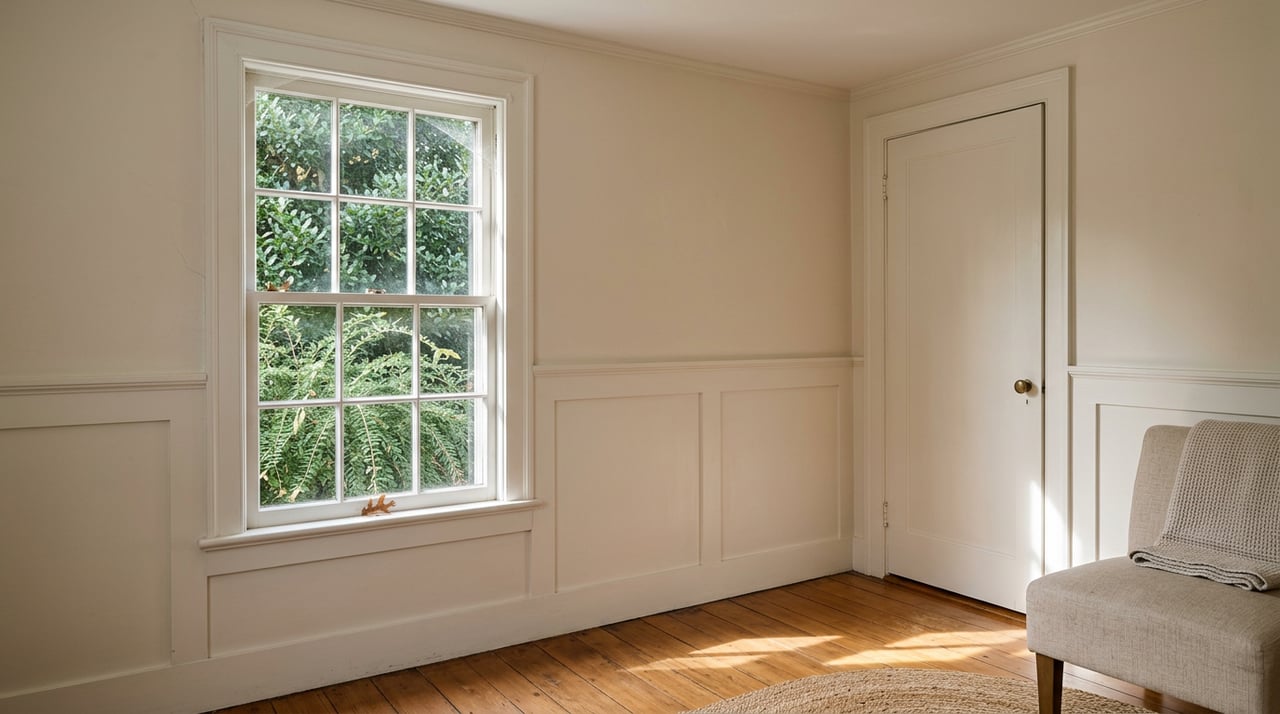
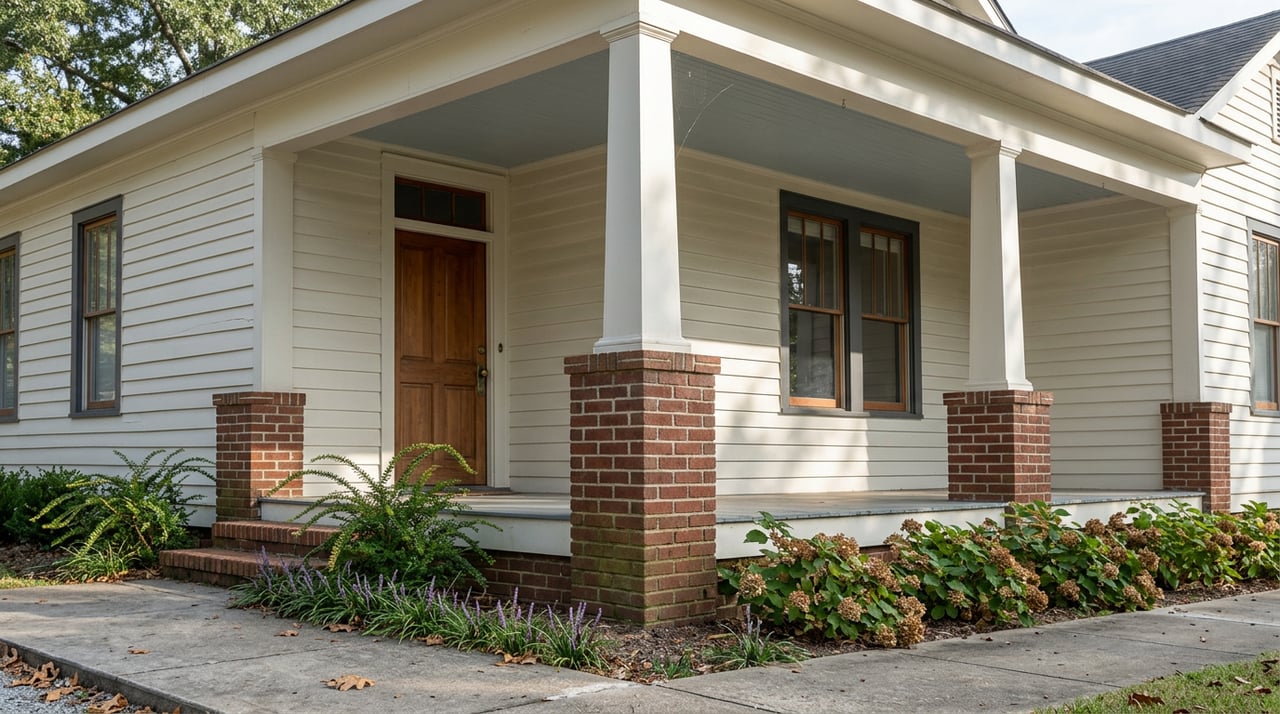
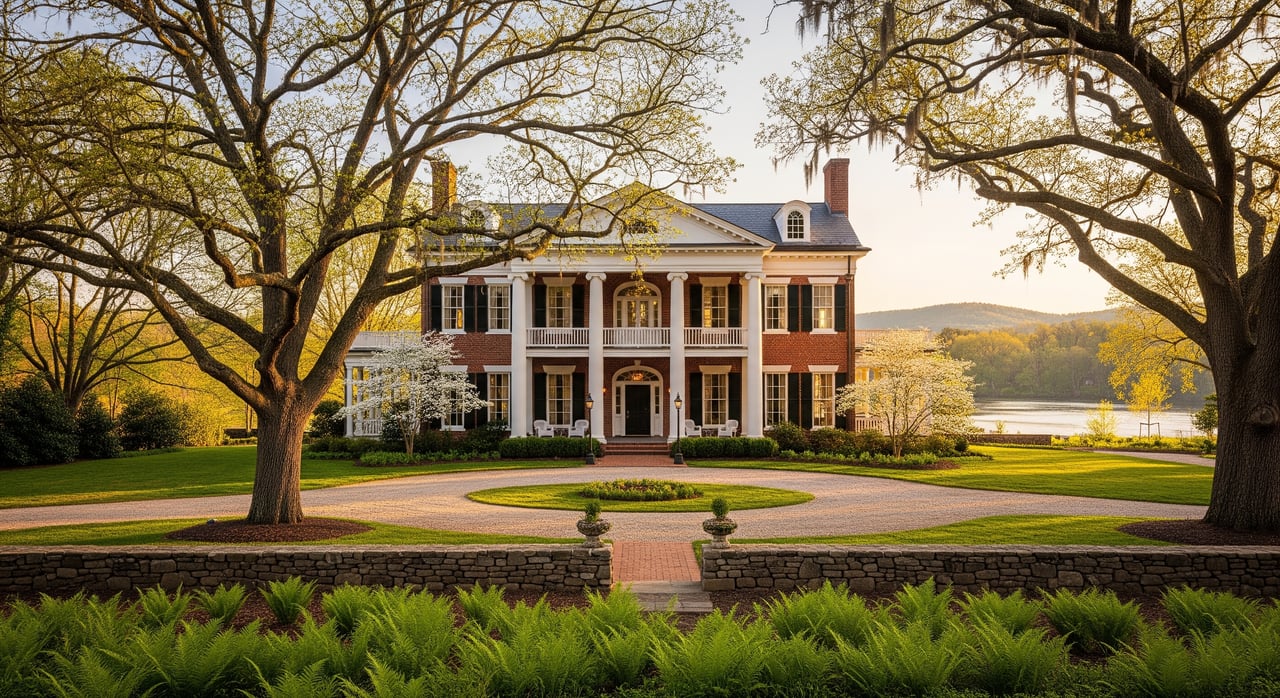
If you want a historic home, the downtown districts include 18th-, 19th-, and early-20th-century architecture. Styles include Federal, Greek Revival, and Victorian, often updated to today’s standards. Expect smaller lots, unique floor plans, and preservation considerations. Historic character and proximity to downtown can command a premium per square foot, and upkeep can run higher than newer homes.
Classic suburban choices
Beyond downtown, you will find mid-to-late-20th-century ranches and split-levels, along with infill from the 1990s and 2000s. These neighborhoods often offer traditional layouts, established trees, and a familiar suburban feel. Homes may sit on larger lots than those in the historic districts.
Newer farmhouses and single-family builds
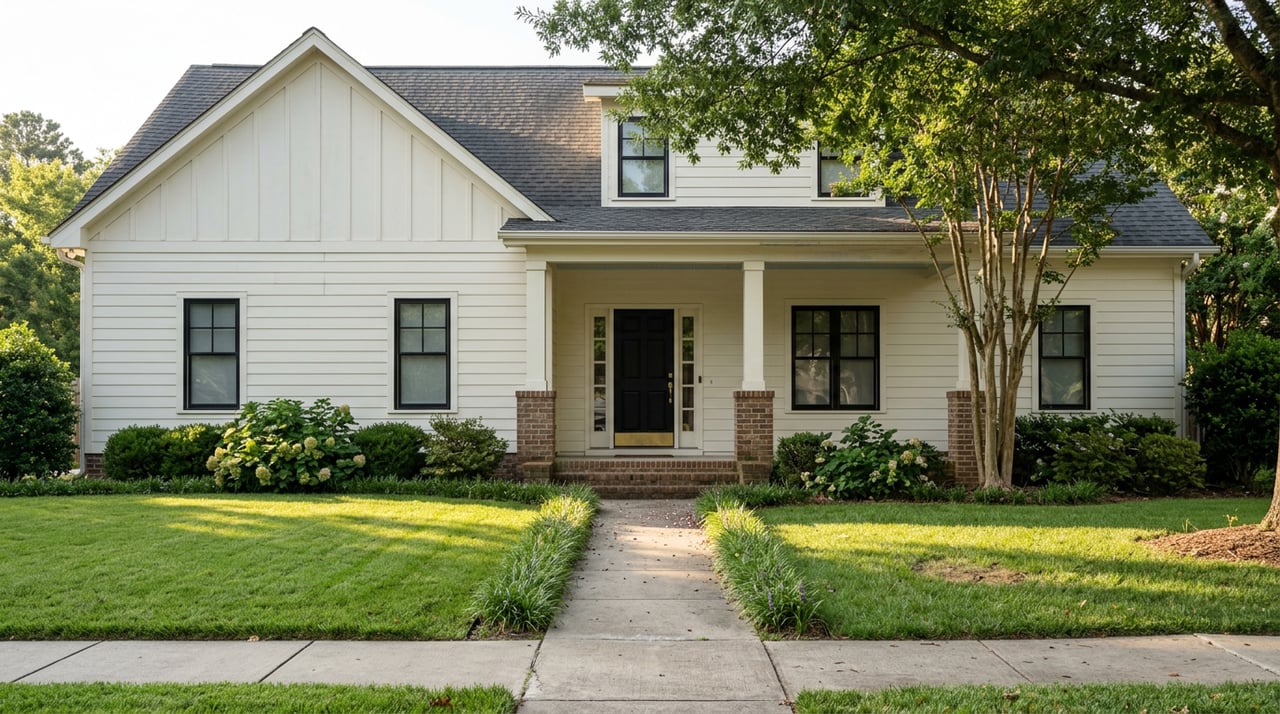
Recent construction appears in nearby subdivisions and on peri-urban acreage. These homes lean toward open plans, modern kitchens, and larger yards. If you prefer contemporary systems, flexible living spaces, and room to spread out, this is a strong fit.
Townhomes and condos
Attached housing is more limited in Hillsborough than in larger cities. You will find pockets of townhomes and condos, with more options in nearby Chapel Hill and Durham for buyers who want lower maintenance. Inventory can be tight, so it helps to watch the market closely.
Rural properties and small farms
Just outside town limits, acreage becomes more common. Buyers seek these properties for privacy, workshops, or hobby farming. If you enjoy space for equipment, gardens, or outbuildings, the countryside around Hillsborough offers compelling choices.
Zoning and renovation basics
Hillsborough has designated historic districts with design standards. Renovations in those areas typically require review and adherence to preservation guidelines. Outside the town limits, Orange County zoning applies, which can change permitted uses, well and septic requirements, and property tax implications. Utility service also varies by location, with more properties on municipal water and sewer in town and more on private well and septic in rural areas.
Commuting and getting around
From Hillsborough, you can reach Chapel Hill, Durham, and the Research Triangle Park within typical regional commute ranges. Your exact travel time depends on your starting point, destination, and peak-hour traffic.
- Chapel Hill: often 15 to 30 minutes by car
- Durham: often 20 to 35 minutes by car
- Research Triangle Park: often 20 to 45 or more minutes, depending on the RTP cluster
Major roads include US-70 and NC-86, with quick access to I-85 and I-40 for regional travel. Inside town, it is easy to walk between downtown shops, restaurants, and the riverwalk. Cycling works well for neighborhood errands and trail access, though longer-distance bike commutes are less common.
Public transit options exist but are more limited than in larger Triangle cities. Regional services provide some commuter links, and Chapel Hill Transit serves Chapel Hill and Carrboro. Many Hillsborough residents mix park-and-ride, carpooling, or telecommuting to keep commutes manageable.
Parks, trails, and the Eno
The Eno River runs through Hillsborough and shapes much of its outdoor life. You can step onto riverfront greenways from downtown, then continue to wooded paths and scenic overlooks.
- Eno River State Park: Hiking, paddling, fishing, and quiet riverfront trails are close by. You will find a range of trail distances and easy access points.
- Occoneechee Mountain State Natural Area: A short drive from downtown, this area offers moderate trails, a notable viewpoint, and local natural history.
- Town parks and riverwalks: Neighborhood playgrounds and green spaces connect to the riverwalk, which is an easy way to fit in a daily walk or bike ride.
If you want space for field sports, horseback riding, or family picnics, the surrounding rural landscape makes weekend plans simple. The variety of outdoor options is a major part of why people choose Hillsborough.
Arts, dining, and community life
Hillsborough’s historic downtown is lively in an easygoing way. You will find independent shops, galleries, antique stores, small performance spaces, and locally owned restaurants. The arts scene is active, with rotating exhibits, arts education, and walkable events that bring people downtown in the evenings.
Community calendars often include a farmers market with local produce and crafts. Seasonal festivals and outdoor concerts celebrate the Eno River, local history, music, and the visual arts. Schedules change year to year, so you will want to check for current dates as you plan.
For broader cultural options, Chapel Hill and Durham are a short drive away. University theaters, museums, lectures, and live music expand your choices without requiring big-city living.
Schools, healthcare, and services
Public K–12 education in Hillsborough is served by Orange County Schools, with assignments based on your address. Specialized options in the Triangle include magnet and charter programs. For higher education and continuing studies, the University of North Carolina at Chapel Hill is the nearest large university, with Duke University in nearby Durham.
Healthcare access is strong across the region. UNC Health and Duke Health both operate hospitals, specialty clinics, and urgent care centers in Chapel Hill and Durham. You will also find local primary care and urgent care in or near Hillsborough for everyday needs.
The town has its own police and fire services, with Orange County departments serving unincorporated areas. Utility arrangements vary by location. Properties in town are more likely to use municipal water and sewer, while many homes outside town rely on private wells and septic systems. Property tax rates also differ between in-town and county locations.
Cost of living and buyer considerations
Compared with the core urban neighborhoods of the Triangle, Hillsborough can be more affordable on a per-square-foot basis, especially when you compare similar lot sizes. That said, proximity to downtown and property type make a big difference. Transportation costs can be higher if you commute daily to RTP or other distant employment centers.
Inventory in Hillsborough proper tends to run tighter than in larger cities nearby. If you are targeting the historic districts or central neighborhoods, plan to act quickly and be competitive. If you want newer construction or larger acreage, looking just outside town limits can broaden your options.
Before you write an offer, consider a few practical checks:
- Historic homes: Budget for older systems, possible lead paint in pre-1978 structures, and time for any required design-review steps.
- Rural parcels: Evaluate well and septic systems, and be aware of floodplain or watershed regulations near the Eno River.
- HOAs and covenants: Many newer subdivisions and townhome communities have rules and fees. Review them early in your process.
Who Hillsborough fits
If you want a slower pace and a sense of place, Hillsborough delivers that without isolating you from the Triangle’s opportunities. The town works well for households who value walkable, historic downtown life with realistic commutes to Chapel Hill or Durham. Telecommuters often find a strong balance here, with quick access to trails and community events after work.
Empty-nesters and retirees often appreciate the cultural calendar, the ease of maintenance with townhomes or condos, and the nearby health systems. Families tend to value the civic life, parks and greenways, and the range of housing styles across the town and county.
How our team can help
Buying or selling in a historic town calls for local knowledge, steady guidance, and careful execution. Our team understands how Hillsborough’s neighborhoods, preservation rules, utilities, and rural considerations shape value and fit. We can help you weigh the trade-offs between in-town and county locations, evaluate commute options, and align your search with the lifestyle you want.
If you are a homeowner, we pair boutique, neighborhood-level expertise with national marketing resources to position your property for the right buyers. If you are exploring new construction or land, we can advise on development potential, pricing, and project sales.
Ready to take the next step in Hillsborough? Connect with Terra Nova Global Properties to talk through your plans.
FAQs
How long is the commute from Hillsborough to Chapel Hill, Durham, and RTP?
- Typical drive times range from about 15 to 30 minutes to Chapel Hill, 20 to 35 minutes to Durham, and 20 to 45 or more minutes to RTP depending on traffic and destination.
What is the trade-off between living in Hillsborough’s historic district and outside town limits?
- Historic districts offer character and walkability with preservation review for exterior changes, while county areas offer more space, different zoning, and often private well and septic.
Which housing types are common in downtown Hillsborough versus the outskirts?
- Downtown features 18th- to early-20th-century homes on smaller lots, while outskirts include mid-century ranches, newer builds with larger yards, and rural acreage.
What outdoor recreation is close to downtown Hillsborough?
- You can access riverfront greenways in town, plus nearby trails at Eno River State Park and Occoneechee Mountain State Natural Area for hiking, paddling, and views.
Which public schools serve Hillsborough addresses?
- Orange County Schools assigns schools based on your home address; check current attendance maps and any magnet or charter options across the Triangle.
What public transit options are available for Hillsborough commuters?
- Regional services provide limited commuter routes and park-and-ride options, while Chapel Hill Transit serves Chapel Hill and Carrboro; many residents drive or carpool.
Are there special rules for renovating a historic home in Hillsborough?
- Yes, exterior changes in designated historic districts typically require review and must meet local preservation guidelines.
How do utilities and taxes differ between in-town and county properties around Hillsborough?
- In-town homes are more likely to use municipal water and sewer with town tax rates, while county homes often have private well and septic with different tax rates.