If you are thinking about selling in Chapel Hill, timing is not just about the season. It is also about the university calendar. In a market shaped by UNC move-ins, finals, and move-outs, the right launch window can help you reach buyers more smoothly and reduce avoidable friction. This guide will walk you through how to time your Chapel Hill home sale around the academic calendar, what current market conditions suggest, and how to prepare with confidence. Let’s dive in.
Why the UNC calendar matters
Chapel Hill does not move on a standard schedule alone. The rhythm of the local housing market is influenced by the University of North Carolina at Chapel Hill, especially in late spring and late summer.
For the 2025 to 2026 academic year, first-year move-in runs from August 14 to 18, fall classes begin August 18, spring classes begin January 7, spring break runs March 16 to 20, classes end April 27, and exams run April 29 through May 7. Carolina Housing also states that residents must vacate within 24 hours after their last scheduled exam or by the official closing time and date, whichever comes first. That creates concentrated periods of housing turnover rather than steady demand throughout the year.
If your home may appeal to university-connected buyers, this schedule can affect showing activity, buyer urgency, and even closing logistics. It does not mean every sale must revolve around campus dates, but it does mean those dates are worth planning around.
What the Chapel Hill market looks like now
Current conditions suggest that timing still matters, even in a market where well-prepared homes can sell at a healthy pace. In March 2026, Orange County was considered a balanced market, with homes selling for about asking price on average and a median 33 days on market.
At the city level, Chapel Hill showed solid activity over the three months ending May 2026. Redfin reported about 4 offers on average, around 29 days on market, and a median sale price of $626,625. At the same time, there were 406 homes for sale in Chapel Hill and 601 rentals, which points to meaningful competition for both buyers and sellers.
What does that mean for you? A strong listing can still perform well, but pricing and preparation need to match the market. The academic calendar may help you choose your moment, but it should not replace a careful launch strategy.
Best time to list in spring
Late March through mid-April stands out
For many Chapel Hill sellers, the most practical listing window is late March through mid-April. This timing lines up with the spring buying season and gets your home in front of buyers before UNC finals and May move-outs begin.
National seasonality research from Realtor.com identified April 12 to 18 as the best week to sell in 2026, noting more views, less competition, and faster sales than January. In Chapel Hill, the local advantage is that this period also falls before the late-April and early-May academic crunch.
If you want to catch spring demand, this window can give you a cleaner runway for showings, inspections, and negotiations. It may also help reduce scheduling conflicts tied to campus activity.
Why this window works well
Late March through mid-April tends to support three important goals at once:
- You enter the market during a historically active spring season.
- You get ahead of finals and late-semester schedule pressure.
- You give buyers time to plan a move before late spring turnover peaks.
For many single-family homes, this is the most balanced time to launch. It supports broad buyer visibility without pushing your sale too close to the most hectic university dates.
A second selling window in summer
Late July through mid-August can be strategic
A second useful listing window is late July through mid-August. This can be especially relevant for condos, townhomes, or homes close to campus, where university-linked demand may be more noticeable.
UNC first-year move-in takes place August 14 to 18, and classes begin August 18. If your property may attract buyers who want to be settled before the semester begins, listing before that activity peaks can be a smart move.
This timing works best when your home is fully market-ready ahead of time. You do not want to be scheduling repairs or waiting on photography while buyers are already making decisions.
Plan earlier than you think
If you are aiming for a late-summer launch, prepare in early to mid-summer. That means handling repairs, paint, decluttering, photos, and pricing well before August.
In Chapel Hill, timing often rewards sellers who are ready before demand spikes. Being early is usually better than rushing to catch the wave at the last minute.
When selling may be less convenient
Late November through December can be tougher
The period from late November through December is often less convenient for showings near UNC. Thanksgiving recess for the 2025 to 2026 academic year runs November 26 to 28, and final exams run December 5 to 12.
During that stretch, holiday plans and exam schedules can compress availability. Even motivated buyers may have less flexibility to tour homes, compare options, and move quickly.
That does not mean you cannot sell in early winter. It simply means that if you have flexibility, you may prefer a different launch window with fewer scheduling obstacles.
How much prep time you need
Give yourself 6 to 8 weeks
If your goal is a late-March or April listing, a 6 to 8 week prep runway is a sensible plan. February and early March can be used for repairs, touch-up paint, decluttering, photography, and pricing analysis.
This timeline helps you avoid rushed decisions. It also gives you time to present your home well before the spring rush fully arrives.
For sellers in Chapel Hill, good timing is not just about choosing a date. It is also about being truly ready when that date comes.
Focus on launch quality
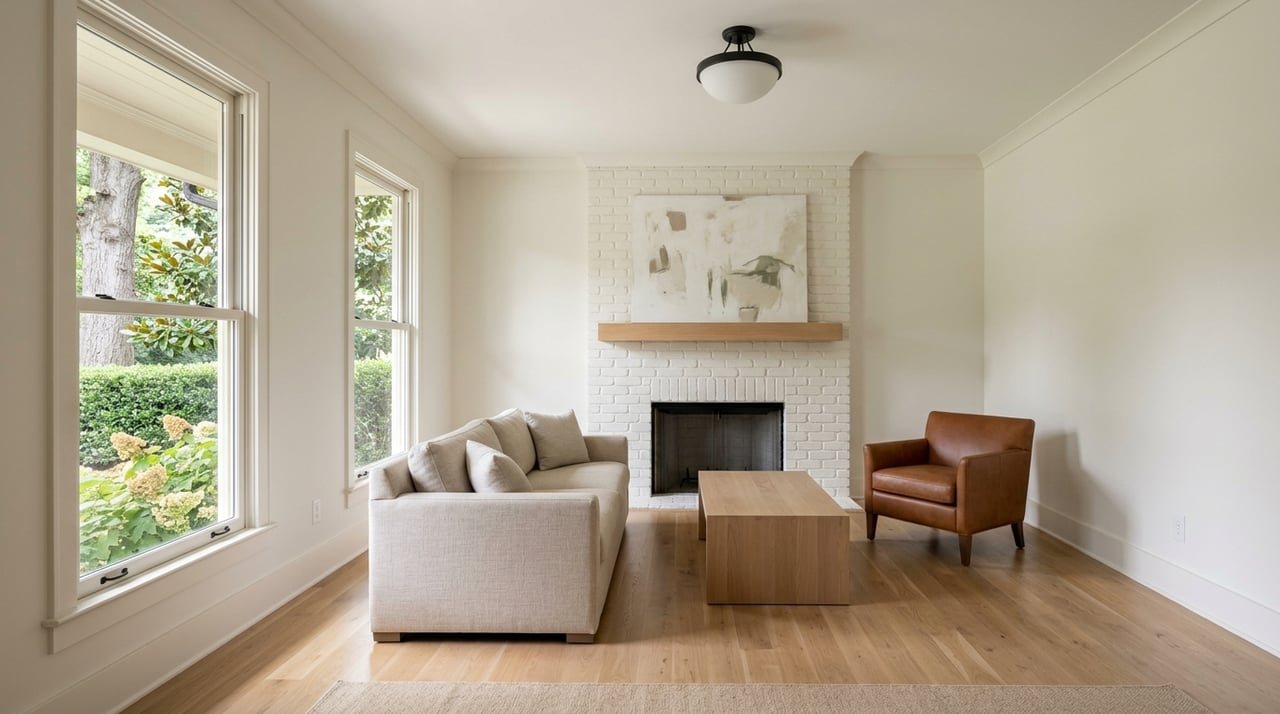
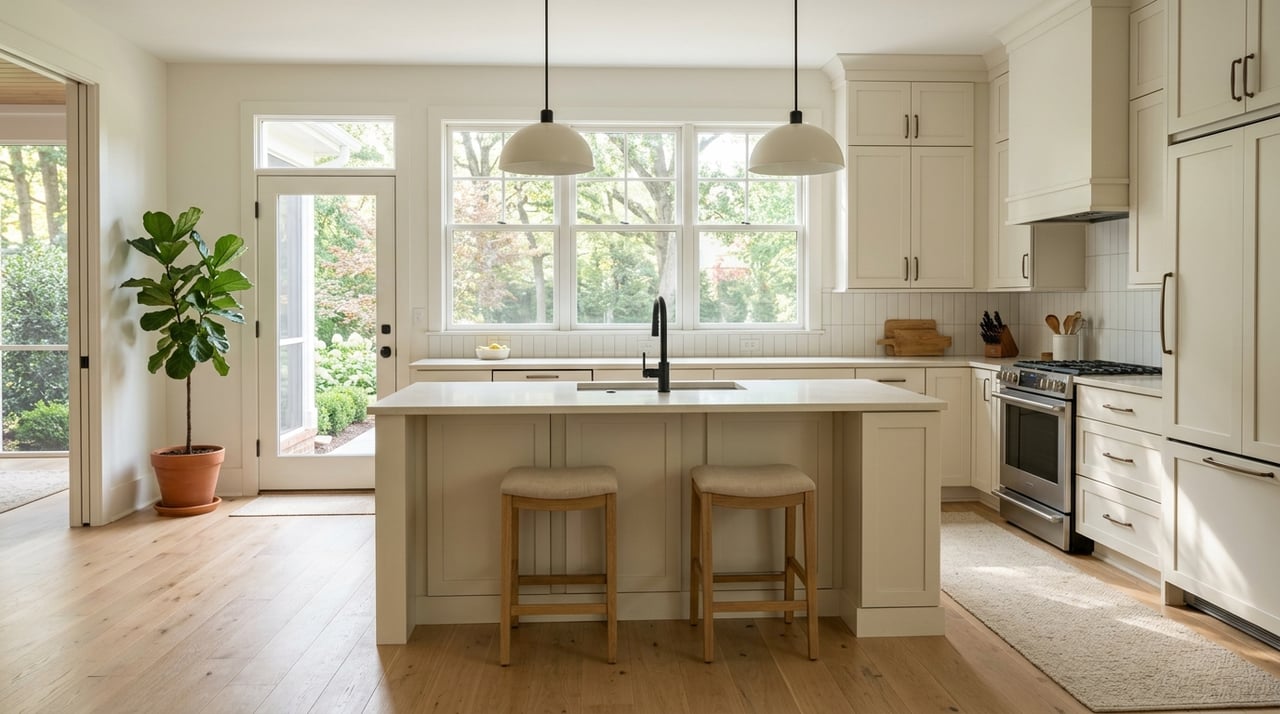
Your listing should come to market in polished condition. In a balanced market, buyers still compare value closely, and first impressions matter.
A thoughtful pre-listing plan can help you:
- Complete visible repairs before buyers visit
- Refresh paint or finishes where needed
- Declutter and simplify each room
- Schedule professional photography at the right time
- Review local competition before setting a price
This kind of preparation supports a stronger debut. It also helps your home compete more effectively among other Chapel Hill listings.
Pricing still matters more than the calendar
The academic calendar can help you choose your window, but it does not guarantee a result on its own. Your price still needs to reflect current conditions and the competition in your segment.
Redfin reports that Chapel Hill homes sell in about 31 days on average and that average homes go pending in around 31 days for about 1% below list price. In a balanced Orange County market, overpricing can still slow a sale, even when the timing looks favorable.
That is why pricing should be based on current local inventory, recent comparable sales, and buyer expectations. The goal is to use timing as an advantage, not as a substitute for market discipline.
Match your closing date to local logistics
For some properties, especially condos and townhomes near campus, closing timing can matter almost as much as listing timing. University-related move-out and move-in periods can affect access, occupancy planning, and day-to-day logistics.
Because Carolina Housing requires residents to vacate quickly after their last exam, late spring can bring compressed turnover. If your home may appeal to buyers thinking about occupancy schedules, it helps to plan around those bottlenecks.
A smoother closing often comes from avoiding finals-week access issues and aligning the transaction with realistic move timing. That is one more reason a locally informed selling plan matters in Chapel Hill.
A simple timing strategy for sellers
If you want a straightforward way to think about your sale, start here:
Best overall window
- Late March through mid-April
Best secondary window
- Late July through mid-August
Less convenient period
- Late November through December
Ideal prep timeline
- Start 6 to 8 weeks before your target listing date
This framework will not replace home-specific advice, but it gives you a strong starting point. In Chapel Hill, the best timing usually comes from blending seasonal demand, academic rhythms, and realistic pricing.
If you are planning a move, selling around the academic calendar can create meaningful advantages. The key is to prepare early, price carefully, and choose a launch window that fits both your property and the way Chapel Hill actually moves.
When you want a local strategy grounded in timing, market data, and thoughtful execution, Patricia Owen can help you map out the right next step.
FAQs
When is the best time to sell a home in Chapel Hill?
- For many sellers, late March through mid-April is the strongest window because it aligns with the spring buying season and comes before UNC finals and late-spring move-outs.
How does the UNC academic calendar affect Chapel Hill home sales?
- The UNC calendar shapes periods of housing turnover, especially in late spring and late summer, which can influence buyer activity, showing schedules, and move timing.
Is August a good time to list a home near UNC in Chapel Hill?
- Yes, late July through mid-August can be a useful window, especially for condos, townhomes, or homes near campus that may appeal to university-connected buyers.
How long does it take to prepare a Chapel Hill home for sale?
- A 6 to 8 week prep period is a sensible plan for many sellers, especially if you want to launch in late March or April.
Does pricing matter as much as timing in the Chapel Hill market?
- Yes, pricing remains critical. Current local data suggests well-priced homes can move in about a month, while overpricing may slow your sale even if you list during a strong seasonal window.