If you are getting ready to sell in Durham, it is easy to wonder whether you should repaint a few rooms, replace a front door, or take on a much bigger remodel. The truth is that not every upgrade helps your bottom line, especially in a market where buyers have options and can compare condition across multiple listings. The smartest pre-listing plan is usually the one that makes your home easier to price, easier to photograph, and easier for buyers to say yes to. Let’s dive in.
Why strategy matters in Durham
Durham sellers are not listing into a market where presentation can be ignored. In May 2026, the Durham city segment had 430 active listings and a median 34 days on market, compared with 367 active listings and 61 days on market in January 2026. That shift suggests buyers are seeing enough inventory to notice deferred maintenance, dated finishes, and homes that feel harder to move into.
That does not mean you need to renovate everything. It means your pre-listing dollars should go toward improvements that reduce buyer hesitation, strengthen photos and showings, and limit issues that could come up during inspections. In a city where the median owner-occupied home value is just under $393,000, disciplined spending often matters more than ambitious spending.
Focus on net proceeds first
Before you choose any project, ask one simple question: will this help you sell with less friction and a better likely net result? That is a better test than asking whether you personally like the upgrade or whether it would have been nice to enjoy for a few more years.
In many Durham sales, the best return comes from solving visible problems and improving first impressions. Buyers react quickly to peeling paint, worn flooring, dim rooms, cluttered closets, tired landscaping, and aging entry features. Those issues can make an otherwise solid home feel like more work than buyers want to take on.
Upgrades that tend to pay off
National remodeling data from 2025 points to a clear pattern. Projects with strong resale cost recovery include front door replacement, closet renovation, window replacement, and selective kitchen or bath updates. Those projects often work because they improve curb appeal, function, or comfort in ways buyers notice right away.
For Durham sellers, the most practical high-impact categories usually include:
- Fresh paint to brighten rooms and create a cleaner backdrop for photos
- Front door improvements that strengthen curb appeal immediately
- Window or draft-related fixes when existing windows are clearly failing
- Closet and storage improvements that help the home feel more usable
- Minor kitchen updates instead of a full remodel
- Bathroom refreshes that improve cleanliness and presentation
- Roof-readiness and visible maintenance to reduce inspection concerns
- Deep cleaning, decluttering, and staging to support stronger marketing
The common thread is simple. These updates help buyers picture an easier move and give your listing media a stronger visual edge.
Repaint and stage before you remodel big
If you are deciding between cosmetic improvements and a major renovation, cosmetic work is often the better place to start. Real estate professionals in 2025 most often recommended painting and roof readiness before selling, and staging data showed that many agents saw both shorter market time and, in some cases, higher value.
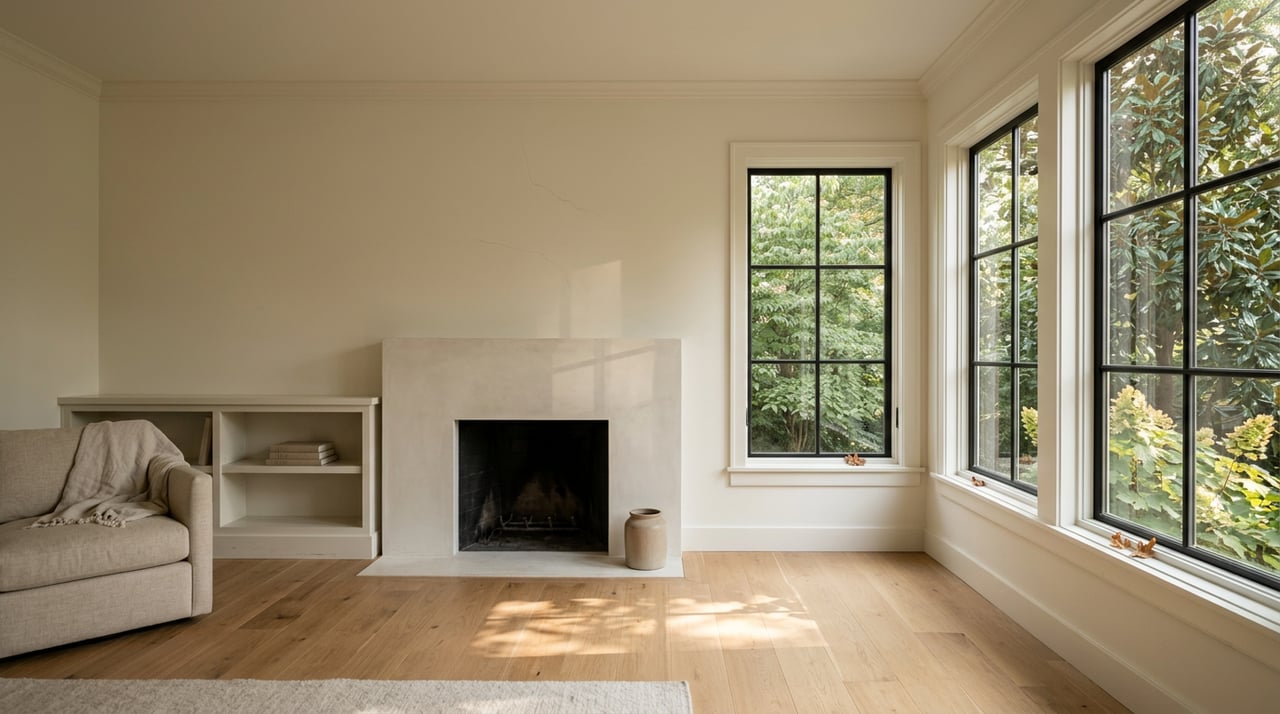
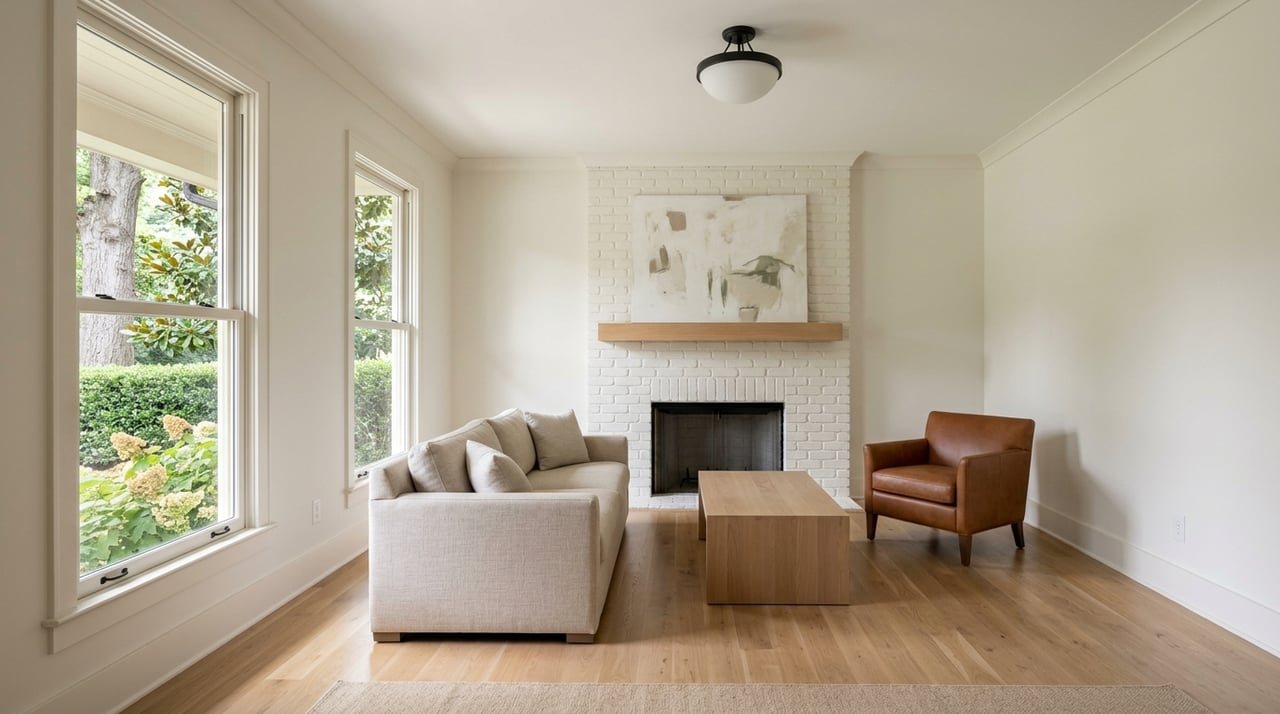
That matters because buyers tend to focus heavily on the living room, primary bedroom, and kitchen. If those spaces feel clean, open, and well presented, you may not need a large remodel to create strong demand. In many cases, decluttering, professional cleaning, light repairs, and thoughtful staging can do more for your sale than tearing out functional finishes.
Curb appeal does more work than many sellers expect
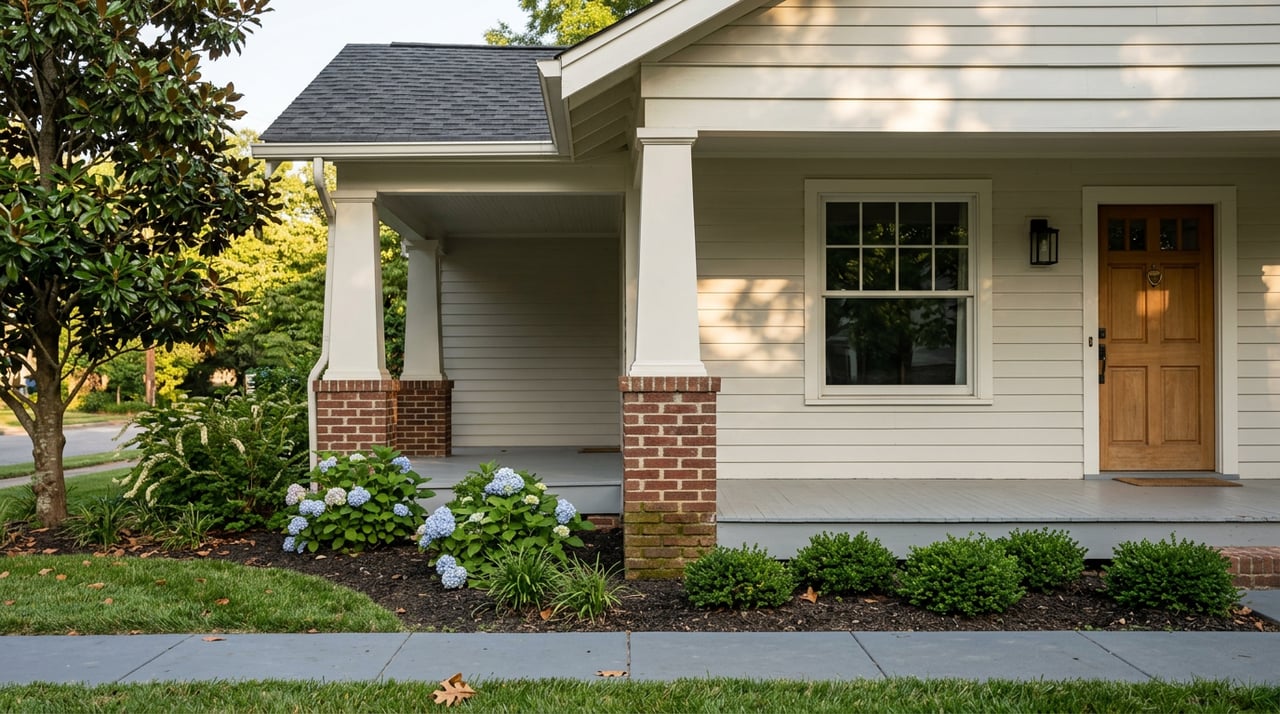
Your exterior sets the tone before a buyer even walks inside. If the front door looks worn, trim is peeling, shrubs are overgrown, or the roof raises concern from the street, buyers may approach the showing with more caution.
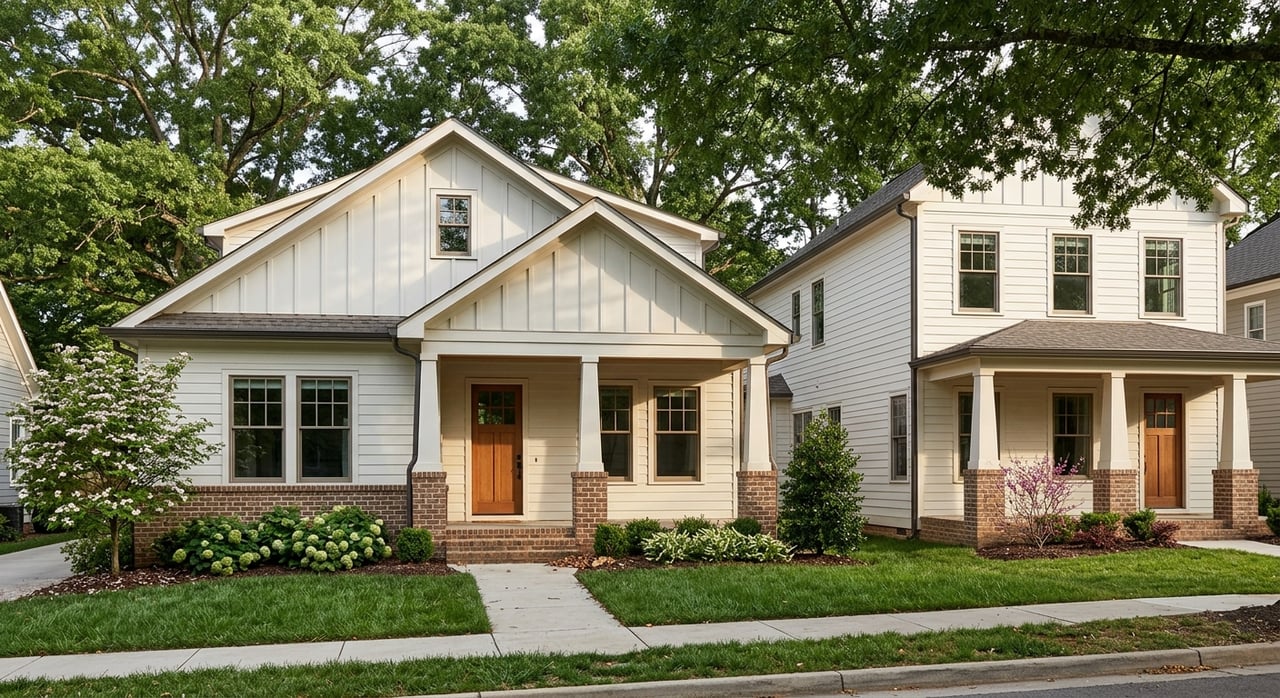
For single-family homes in Durham, curb appeal improvements deserve serious attention. Front doors rank among the best-supported resale projects in 2025 data, and landscaping, paint, windows, and obvious exterior maintenance are also strong candidates. These are often the updates that help a home feel cared for before buyers ever reach the foyer.
Priorities for condos and townhomes
If you are selling a condo or townhome, your best pre-listing upgrades may look a little different. Storage, layout flow, and clean visual presentation often matter more than large-scale structural work. A staged living room, primary bedroom, and kitchen can go a long way in helping buyers understand how the space lives.
Closet improvements can be especially worthwhile, since closet renovation ranked near the top for resale recovery. Cosmetic refreshes, lighting improvements, paint, deep cleaning, and decluttering are often strong choices in attached homes where every square foot needs to feel efficient and intentional.
If your property is in an HOA or condo association, remember that North Carolina sellers also need owners’ association and mandatory covenants disclosures, including items like dues, special assessments, litigation, and transfer fees. That is another reason to get organized early rather than waiting until the listing is live.
Priorities for older Durham homes
Older homes often have character that buyers love, but they also require more planning before pre-listing work begins. If your home was built before 1978, lead-safe renovation practices and disclosure requirements should be part of the conversation before sanding, scraping, or repainting starts.
North Carolina sellers also need to address known conditions through the required disclosure statement when they are aware of defects involving items such as the roof, structure, plumbing, electrical, heating, cooling, pests, zoning restrictions, or environmental issues. In practice, this means it is better to identify and plan around known issues early instead of discovering them in the middle of listing prep.
Know when permits can affect timing
Not every upgrade is just a quick cosmetic project. In Durham, some renovation and repair work may require permits, documentation, or zoning review. Exterior additions, structural changes, substantial repairs, and projects involving decks or porches can have timeline implications.
Durham’s Residential Small Project Review checklist notes that single-family renovation and repair permit packages need the checklist and supporting documents. It also notes that zoning review can involve historic, neighborhood protection, and airport overlay requirements. If your pre-listing plan includes anything beyond straightforward cosmetic work, it is wise to check permit implications before scheduling contractors and photography.
Energy efficiency can help when it is visible
Buyers are showing more interest in energy efficiency, especially when the benefit is easy to understand. Windows, doors, and siding are among the features clients rate as important, and financial savings are a major driver.
For sellers, that usually means practical fixes carry more weight than hard-to-explain upgrades. Replacing clearly failing windows, addressing obvious drafts, or fixing exterior components that look worn can support both comfort and presentation. If a buyer can feel or see the improvement during a showing, it tends to be more persuasive.
Build your plan around marketing impact
The best pre-listing upgrades do not stand alone. They work together with pricing, photography, staging, and launch timing. Buyers’ agents have rated photos, physical staging, videos, and virtual tours as highly important, which means even modest improvements can have an outsized effect when the home is marketed well.
That is why a focused prep plan often beats a scattered one. A home with clean lines, brighter finishes, better curb appeal, and fewer visible defects usually performs better in photos and creates less hesitation in person. Stronger presentation can also support a more confident list price and a smoother path through due diligence.
When upfront cost is the main obstacle
Sometimes sellers know what should be done but do not want to pay for it before closing. That is where Compass Concierge may help. The program fronts the cost of eligible home-improvement services with zero due until closing.
Covered services listed by Compass include staging, painting, flooring, deep cleaning, decluttering, landscaping, cosmetic renovations, HVAC, roofing repair, electrical work, plumbing repair, and kitchen and bathroom improvements. Payment is due when the home sells, when the listing agreement ends, or 12 months after the Concierge start date, and depending on the state, fees or interest may apply. The program is also subject to terms and credit approval through Notable.
Compass also notes that sellers may be able to start with Private Exclusives or Coming Soon marketing while improvements are underway. That can be useful if you want to begin building interest before your full public launch.
A smart Durham upgrade plan
If you want a simple rule of thumb, spend first on what buyers will notice quickly and what could slow a sale if left undone. For many Durham homes, that means visible repairs, paint, cleaning, decluttering, staging, curb appeal, and a short list of defensible system or exterior fixes.
A full remodel can make sense in select situations, but it is rarely the default answer. In most cases, your strongest strategy is a measured plan built around likely return, clean execution, and professional marketing. When your preparation matches the market, you give buyers fewer reasons to hesitate and more reasons to act.
If you are weighing which upgrades make sense for your property in Durham, a local, data-driven plan can make all the difference. Patricia Owen can help you prioritize improvements, navigate prep decisions, and position your home for a stronger launch.
FAQs
Which pre-listing upgrades usually pay back best in Durham?
- Durham sellers often see the most value from visible, practical improvements such as paint, front door updates, decluttering, staging, roof-readiness, storage improvements, and selective kitchen or bath refreshes rather than a full remodel.
Should I stage my Durham home or renovate it?
- In many cases, staging, cleaning, decluttering, and cosmetic updates are the better first move because they improve photos, showings, and buyer perception without the cost and timeline of a major renovation.
What pre-listing work may need a permit in Durham?
- Exterior additions, structural changes, substantial repairs, and some deck or porch work may involve permits or review, so it is smart to check Durham requirements before starting anything beyond basic cosmetic updates.
What should Durham sellers know about older homes before listing?
- If your home was built before 1978, lead-safe renovation practices and lead-based paint disclosures may apply, and known defects involving systems or structure should be handled through the required disclosure process.
What should condo or townhome sellers in Durham prepare besides upgrades?
- In addition to cosmetic improvements and staging, North Carolina sellers of HOA or condo properties should be ready with association and mandatory covenants disclosures, including dues, special assessments, litigation, and transfer fees.
How does Compass Concierge help with pre-listing costs?
- Compass Concierge fronts the cost of eligible services like painting, staging, flooring, landscaping, repairs, and cleaning, with payment generally due at closing, at listing expiration, or after 12 months, subject to terms and credit approval.