If you want a neighborhood where dinner plans, live music, gallery nights, and a Bulls game can all fit into a normal week, living near downtown Durham stands out quickly. You are not just choosing a home here. You are choosing a daily rhythm shaped by walkable blocks, active streets, and a long list of things to do close to home. This guide will help you understand what that lifestyle really feels like, from housing options to practical tradeoffs. Let’s dive in.
Downtown Durham Feels Close To Everything
Downtown Durham is compact in a way that shapes everyday life. Downtown Durham Inc. describes the district as less than one square mile, yet it includes restaurants, shops, galleries, entertainment venues, and a growing residential base. That density is a big part of why the area feels active and convenient.
If you live nearby, many errands and outings can feel less like a planned event and more like part of your routine. Downtown Durham Inc. notes that there are more than 1,700 residential units downtown, with more in development, and highlights lofts, condos, and apartments within walking distance of daily needs. For many buyers and renters, that means a lifestyle with less time spent driving across town.
The district also has support systems that make daily life easier. Downtown Durham Inc. maintains Ambassadors who help with way-finding, trash removal, and even jump starts. Those details may seem small at first, but they add up when you are thinking about what it is like to live in a busy urban core.
Food Is Part Of Daily Life
One of the biggest draws of living near downtown Durham is how easy it is to make great food part of your normal week. Downtown Durham Inc. says the area is home to more than 75 restaurants, with options ranging from locally sourced menus to international cuisine. That variety gives you flexibility whether you want a quick lunch, a casual dinner, or a place to meet friends after work.
The scene is not limited to full-service restaurants. Downtown directories also show a broad mix of brewpubs, ciderworks, beer labs, wine bars, and casual spots. If you enjoy having choices close by, downtown offers a level of convenience that can make your social calendar feel effortless.
Durham Food Hall is a good example of how food fits into the neighborhood rhythm. Downtown Durham Inc. describes it as ten food and drink concepts under one roof, organized around communal seating and a bar, and open throughout the day. For residents, that kind of setup can work for a coffee, a quick meal, a casual meeting, or a low-key night out without needing to leave the district.
The Arts Scene Is Woven Into The Week
Living near downtown Durham also means being close to a steady calendar of performances, exhibits, and community events. This is not a place where arts and culture feel occasional. They are part of the neighborhood identity.
DPAC is one of the clearest examples. According to DPAC, the venue seats 2,700 people, hosts more than 250 performances each year, and welcomes up to 600,000 guests annually. Its programming includes Broadway, concerts, comedy, family shows, and special events, which means there is often something happening just a short walk or drive away.
The Carolina Theatre adds another layer to the district’s cultural feel. It has been in the heart of downtown since 1926, giving the area a sense of continuity that mixes historic character with modern activity. For many residents, that blend is part of what makes downtown Durham feel distinct.
The Durham Arts Council is another major presence. Its downtown building serves nearly 400,000 visitors and hosts more than 5,000 arts and community events, classes, meetings, and celebrations each year. If you value a neighborhood where creative activity is visible and ongoing, that matters.
You also have smaller but meaningful cultural stops nearby. The Museum of Durham History is downtown at 500 W. Main Street, offers free admission, and stays open late for Third Fridays. That kind of accessible programming helps reinforce the idea that living near downtown can bring more spontaneity into your week.
Game Nights And Events Add Energy
For many people, downtown Durham’s appeal comes from the mix of everyday livability and event-night energy. American Tobacco Campus is central to that experience. The campus says the former American Tobacco factory was remade into a live-work-play environment and connected with Durham Bulls Athletic Park and DPAC in the center of the city.
That redevelopment matters because it creates a cluster of destinations that work together. American Tobacco Campus includes multiple venues, and Discover Durham notes that spaces range from intimate event settings to a stadium that seats 10,000. For residents nearby, that often means concerts, festivals, and seasonal events become easy to say yes to.
Durham Bulls games are part of the same rhythm. Downtown Durham Inc. lists the Bulls among the district’s core entertainment anchors, and the team’s game-day materials describe the ballpark as designed for an intimate feel. If you live close by, a game can feel more like an evening option than a major outing.
Downtown also has a formal social district called the Bullpen. The City of Durham says people can carry beer, wine, or cocktails purchased from participating businesses within a defined downtown area from 11 a.m. to 10 p.m. seven days a week. That policy helps explain why the area can feel active across the afternoon and evening, especially around shows, dinners, and game nights.
Housing Options Are Broad
If you are considering a move near downtown Durham, the housing mix is one of the area’s biggest strengths. Downtown Durham Inc. describes downtown living as a mix of lofts, apartments, and condos. That range gives buyers and renters several ways to plug into the same general lifestyle.
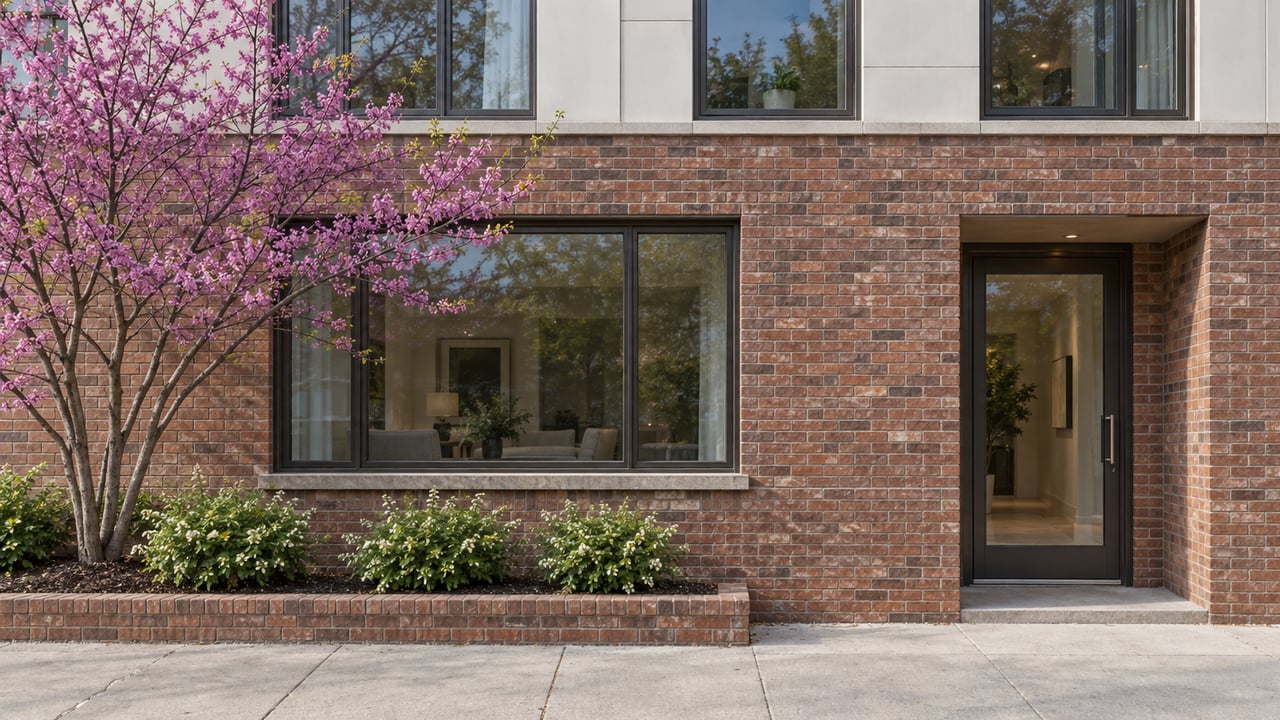
For those who want a more modern building experience, newer high-rise communities are part of the picture. Downtown listings highlight properties such as One City Center and The Novus, both located in the heart of downtown. These options tend to appeal to people who want convenience, newer finishes, and immediate access to downtown amenities.
Historic warehouse conversions offer a very different feel. West Village says its homes transform historic buildings and factories into apartments and lofts with open floor plans, high ceilings, exposed brick, and original wood flooring. Liberty Warehouse also reflects that adaptive-reuse character, with renovated warehouse buildings close to breweries, eateries, and nightlife.
The residential pipeline suggests this part of Durham will continue to evolve. Downtown Durham Inc.’s 2025 State of Downtown report includes apartments, condos, and townhomes among upcoming and active projects. For buyers, that can mean a wider set of choices over time and a district that continues to add housing near the core.
Nearby Neighborhoods Feel More Residential
You do not have to live in the center of downtown to enjoy its food and arts scene. Some buyers prefer to be just outside the core, where the streetscape becomes quieter and more residential while downtown remains close by.
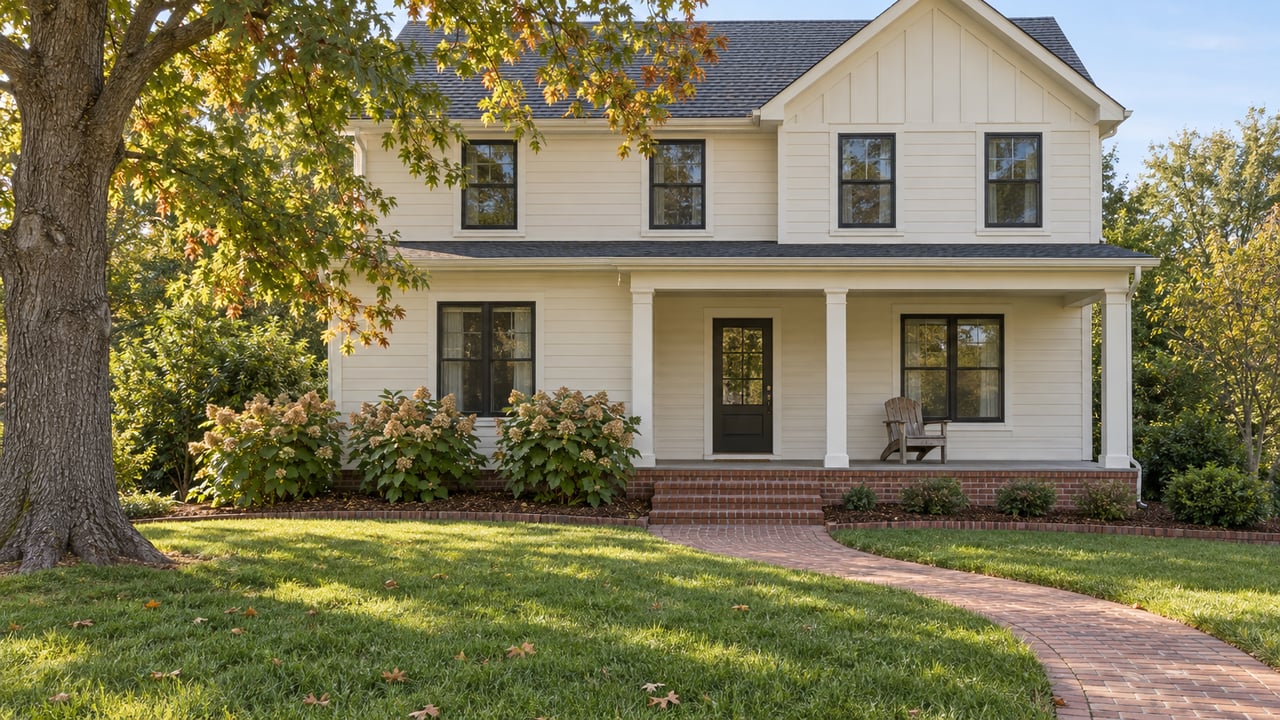
Trinity Park is one example. The neighborhood describes itself as sitting between downtown and Duke East Campus, with 40 square blocks of tree-lined streets and historic homes and buildings. If you want easier access to downtown while still having a more traditional neighborhood setting, that location may be worth exploring.
Morehead Hill offers another nearby option. It describes itself as a historic residential neighborhood just south of downtown, with housing that includes single-family homes and multi-family rental properties. Some of its larger historic homes have also been converted to businesses, apartments, and clinics, which reflects the layered character often found near older urban centers.
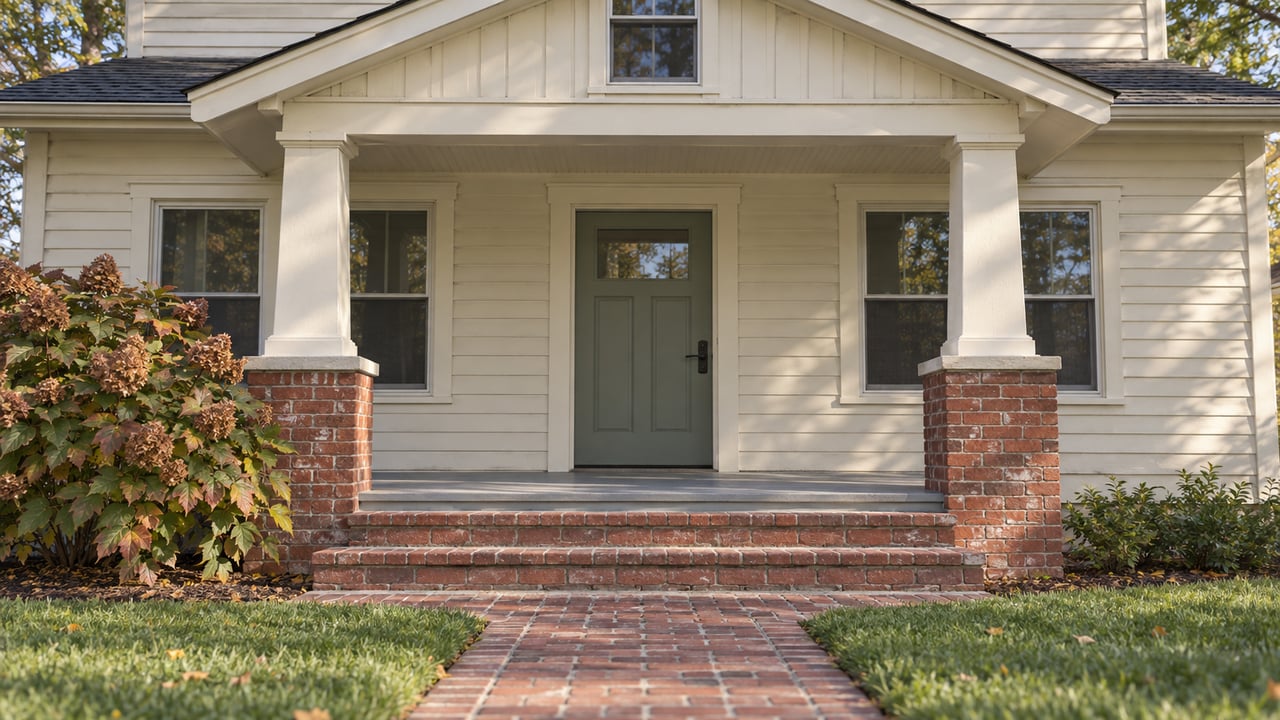
The Neighborhood Compass notes that Durham’s oldest neighborhoods often include homes built in the 1920s and 1930s. That helps explain why nearby residential areas can feel architecturally varied and historically rooted. For buyers who value character, that can be a meaningful part of the appeal.
Walkability Comes With Logistics
Living near downtown Durham can be convenient, but it helps to go in with a clear view of the tradeoffs. The same density that makes the area lively can also bring more traffic, tighter parking conditions, and heavier pedestrian activity on busy nights. Those factors are manageable, but they are part of the real experience.
The good news is that downtown has practical infrastructure to support movement. The City of Durham describes Durham Station as the transportation hub at the heart of the city. Downtown Durham Inc. also points people to parking maps, bike-parking resources, and parking apps for downtown and American Tobacco Campus.
In day-to-day terms, that means you can often choose the approach that fits your plans. You may walk to dinner, bike to an event, use transit, or plan ahead for parking on a busy performance night. If you value flexibility and can handle a little more urban activity, the convenience can outweigh the hassle.
Historic Character Can Affect Renovation Plans
If you are drawn to an older property near downtown, it is important to understand the role of historic preservation. The City of Durham says local historic districts are zoning overlays applied to areas of special significance, and its list includes both Downtown Durham and Morehead Hill. That status can influence what ownership looks like over time.
The city also states that exterior changes to properties in local historic districts require a certificate of appropriateness. For you as a buyer, that does not automatically mean a deal breaker. It simply means renovation plans may need more review, especially if you hope to make visible exterior changes.
That preservation framework is part of what helps maintain the visual character of many downtown-adjacent blocks. If you love older architecture and established streetscapes, it may feel like a benefit. If you want maximum flexibility for exterior updates, it is something to discuss early in your home search.
What Living Here Often Feels Like
At its best, living near downtown Durham means your week has more built-in options. Dinner out can be easy on a Tuesday. A performance at DPAC, a Third Friday museum visit, or a Bulls game can happen without a major plan.
You also get a range of housing choices, from loft-style warehouse spaces to newer high-rise apartments and nearby historic homes. Just as important, you get a district with real infrastructure, a strong event calendar, and practical access to food, entertainment, and transit. For buyers who want convenience, energy, and character in one place, downtown Durham can offer a compelling lifestyle.
If you are weighing whether downtown living or a nearby residential neighborhood fits you better, local guidance can make the search much clearer. Patricia Owen can help you compare options in Durham and the greater Triangle with a thoughtful, relationship-driven approach.
FAQs
What is daily life like near downtown Durham’s food scene?
- Living near downtown Durham often means easy access to more than 75 restaurants, casual dining spots, bars, and food-hall options, making meals out and quick meetups part of a normal routine.
What arts venues are near downtown Durham homes?
- Major downtown venues include DPAC, the Carolina Theatre, the Durham Arts Council, and the Museum of Durham History, all of which help create a steady calendar of performances and community events.
What types of homes are available near downtown Durham?
- Housing options include lofts, condos, apartments, newer high-rise communities, historic warehouse conversions, and nearby single-family homes in neighborhoods just outside the core.
What should buyers know about getting around downtown Durham?
- Downtown is compact and supported by Durham Station, public parking resources, and bike-parking options, but event nights can bring heavier traffic, parking demand, and pedestrian activity.
What should buyers know about historic homes near downtown Durham?
- In local historic districts such as Downtown Durham and Morehead Hill, exterior property changes require a certificate of appropriateness from the City of Durham, which can affect renovation planning.