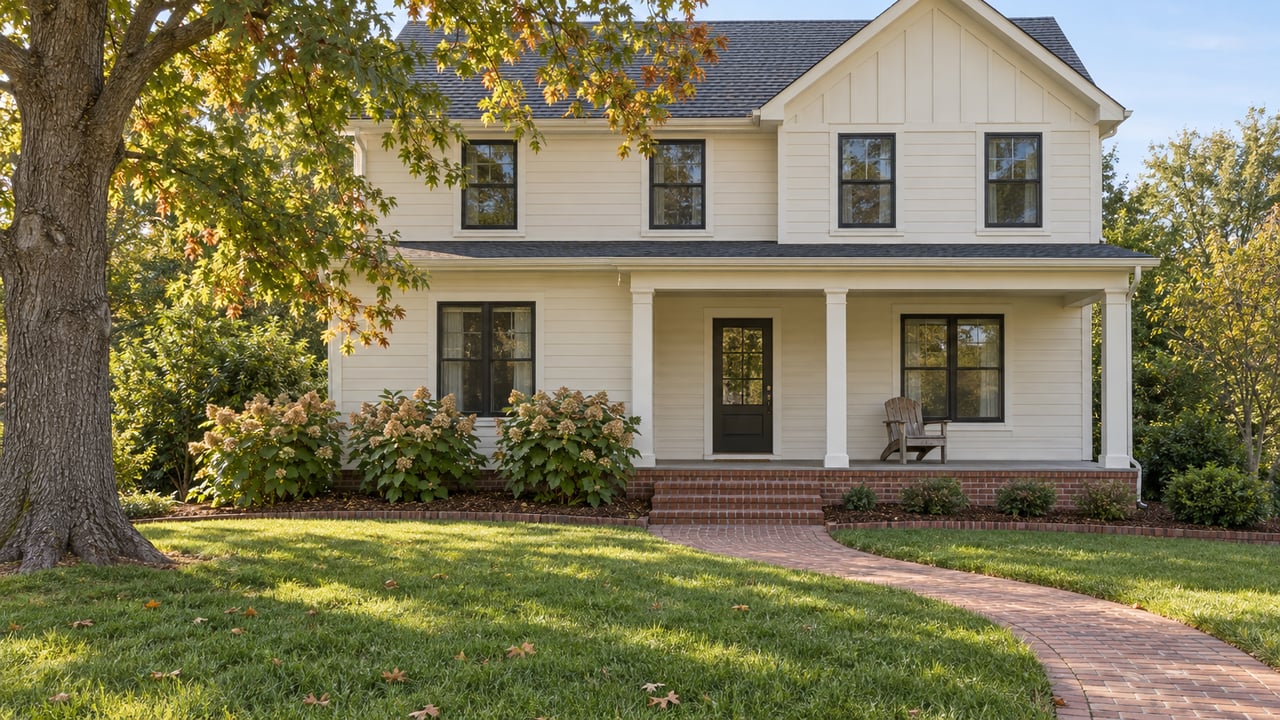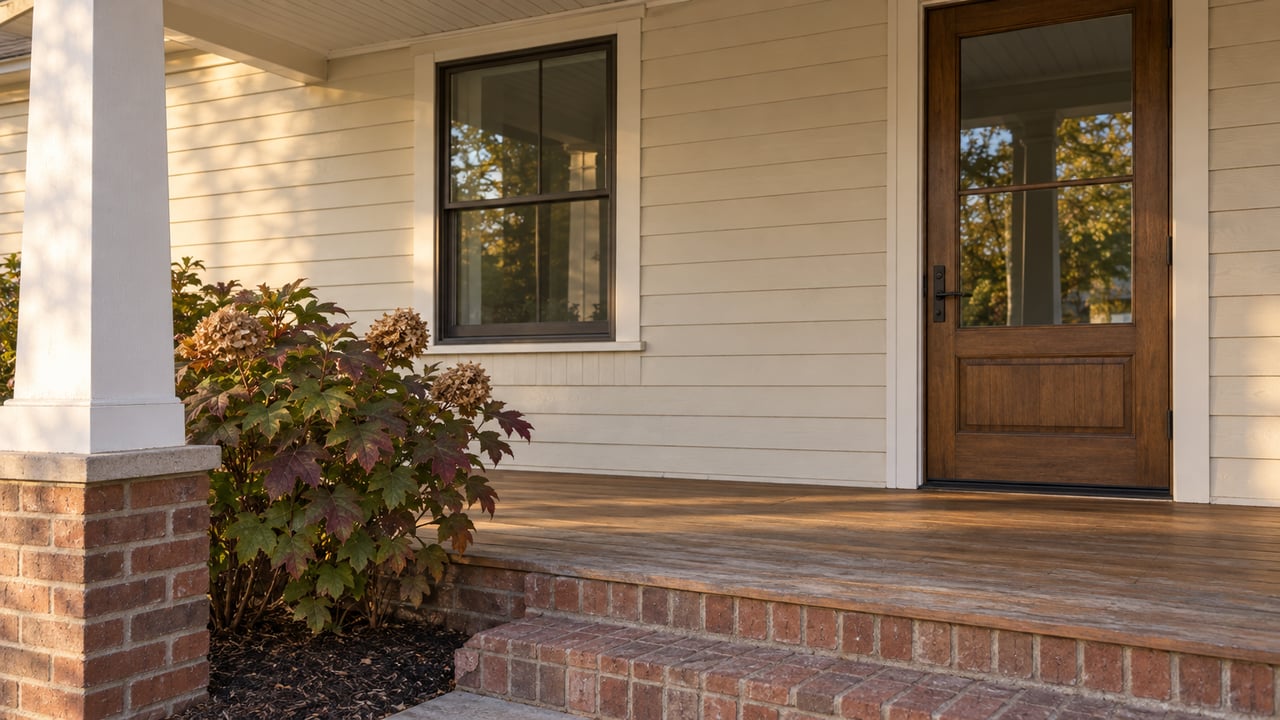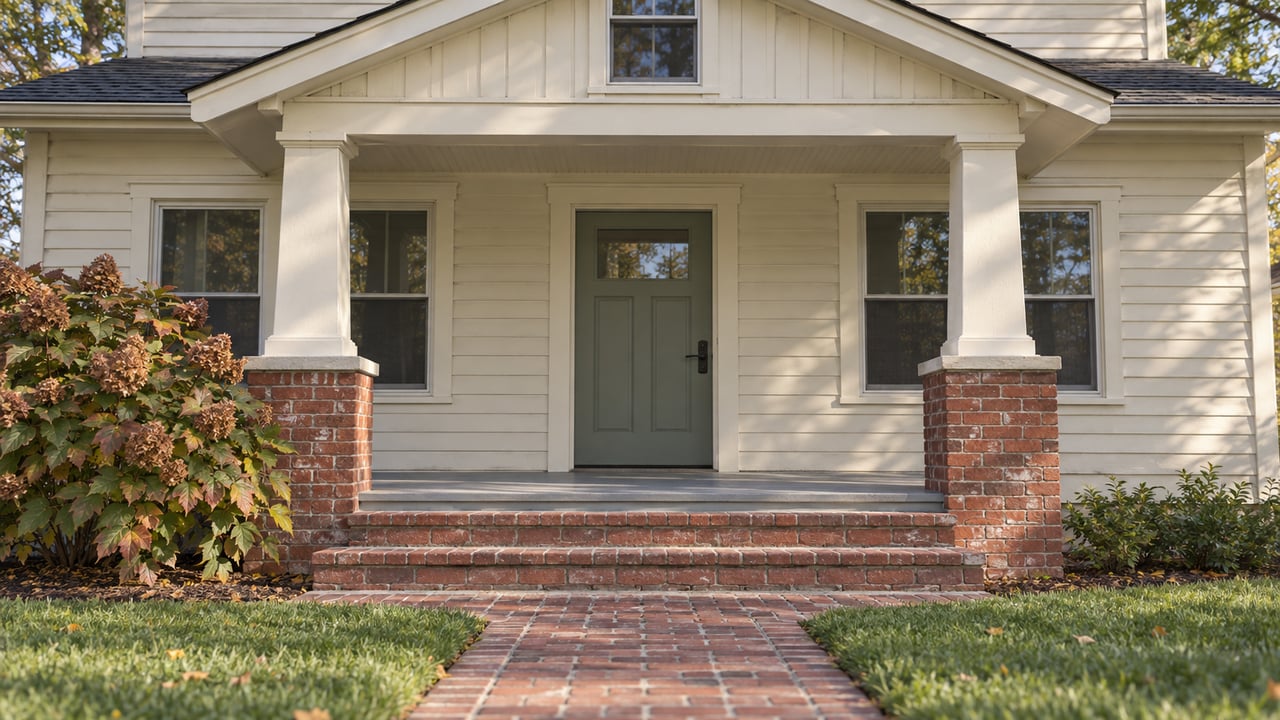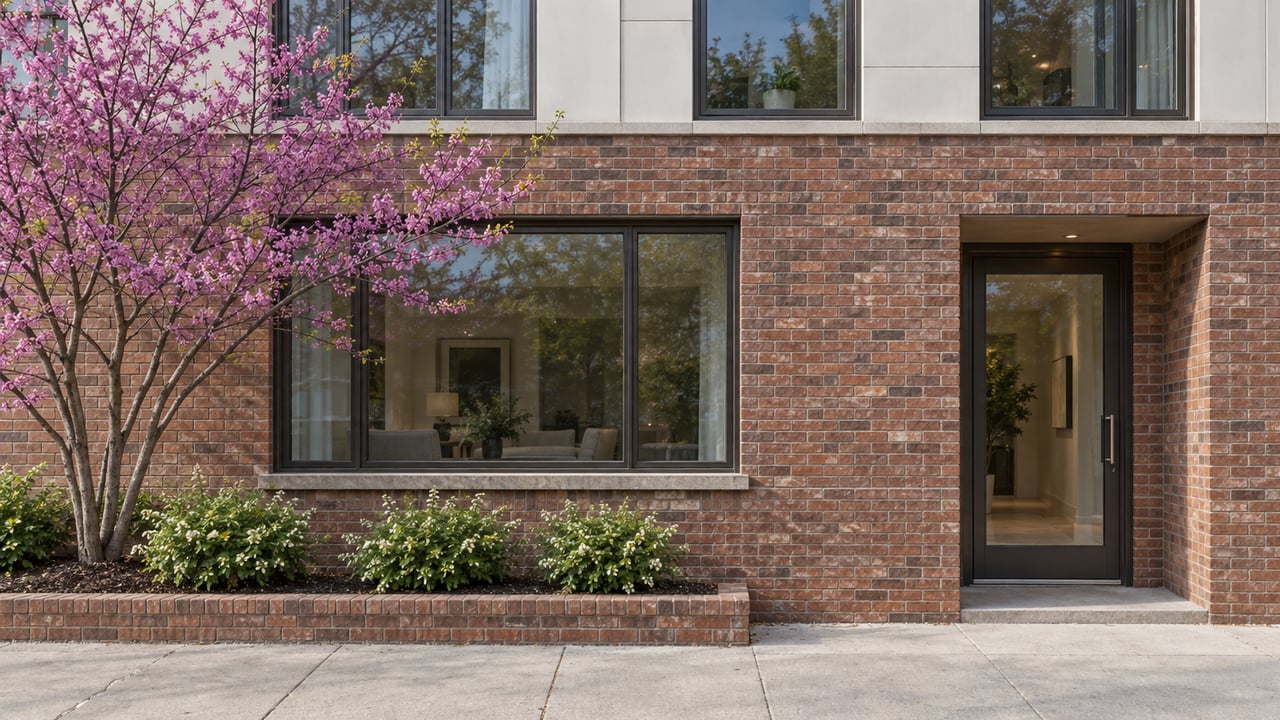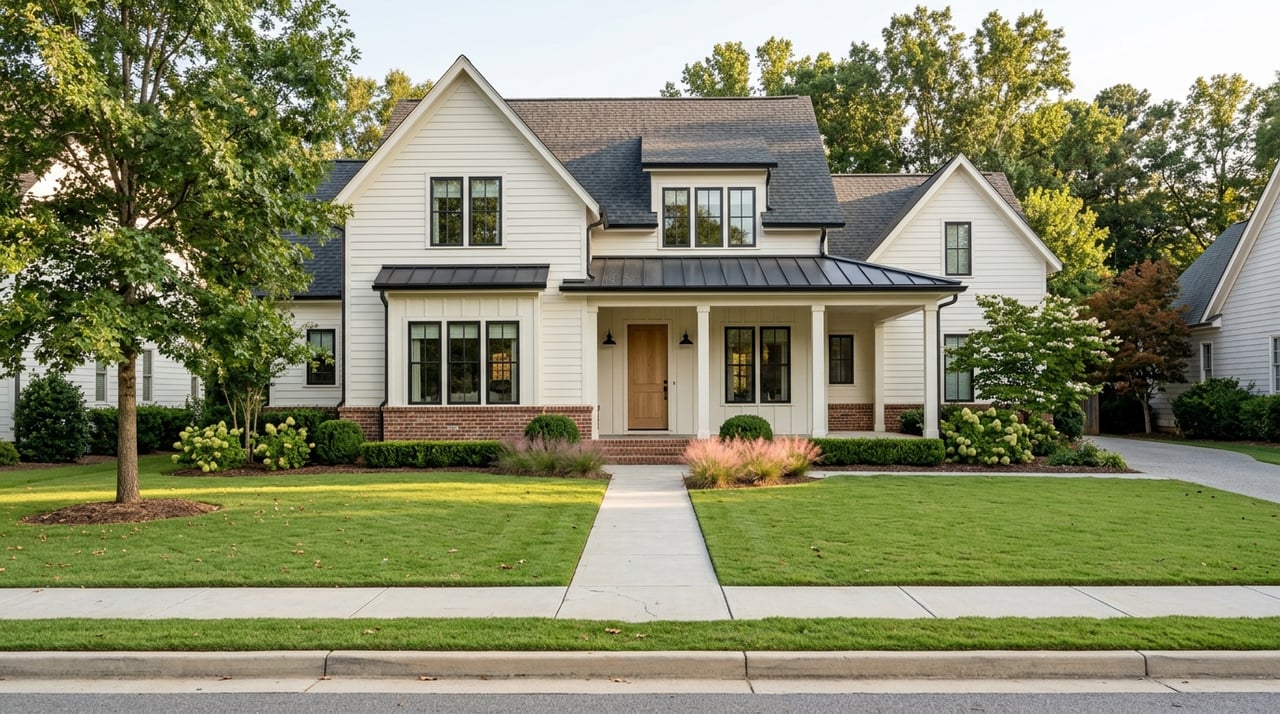
If you are shopping for a luxury home in Chapel Hill, the hardest choice is often not the house itself. It is deciding which neighborhood tradeoffs fit the way you want to live. In a market with historic in-town streets, golf-oriented communities, and newer planned neighborhoods, each option offers something valuable and asks you to give up something too. This guide will help you sort through those tradeoffs so you can focus your search with more clarity. Let’s dive in.
Why Chapel Hill Tradeoffs Matter
Chapel Hill is a mature housing market with a wide mix of neighborhood types. Town planning materials note that about 60% of Chapel Hill homes were built since 1980, while the town also includes historic overlays and lower-density areas around the core. For you as a buyer, that means the luxury decision is rarely about finding one universally “best” area.
Instead, it usually comes down to balancing character, privacy, amenities, and long-term oversight. Some buyers want a historically layered home close to the university-centered core. Others prefer a more enclosed setting with club life, or a newer neighborhood with more predictable upkeep and shared amenities.
Established In-Town Neighborhoods
Historic character and central access
If you are drawn to Chapel Hill’s older core, you may be looking for charm that newer neighborhoods simply cannot replicate. The town’s historic district documentation describes a wide range of architecture here, including Queen Anne, Colonial Revival, Craftsman, Shingle, Tudor Revival, Period Cottage, Minimal Traditional, Ranch, and Modernist styles.
These areas also tend to feel less standardized. Lot sizes and setbacks can vary, and features like narrow streets, mature trees, stone walls, and limited street parking are part of the character described by the town. For many luxury buyers, that layered feel is exactly the point.
What comes with more design oversight
Chapel Hill’s local historic districts are Franklin-Rosemary, Cameron-McCauley, and Gimghoul. In these districts, exterior changes require a Certificate of Appropriateness, and new houses or additions can require Historic District Commission review.
That matters if you expect to renovate, expand, or substantially change the exterior of a property after closing. The town warns that work completed before approval can be expensive to undo, and after-the-fact permits can include penalties. In simple terms, you may gain a beautiful setting and a strong sense of place, but you may lose some flexibility.
A key historic-district distinction
Not every historically recognized property comes with the same rules. Chapel Hill notes that being listed in a National Register historic district does not by itself require Certificate of Appropriateness review unless the property is also in a local historic district.
That distinction is important if you want historic appeal without assuming every exterior decision will go through the same level of local review. For many buyers, understanding that difference early can prevent expensive surprises later.
Golf Communities and Club-Centered Living
Privacy, amenities, and identity
Golf-course communities appeal to buyers who want more than a home. They often offer a lifestyle built around privacy, maintained surroundings, and social or recreational amenities.
In Chapel Hill, Governors Club is the clearest example. The community describes itself as a private, gated club community built around a 27-hole Jack Nicklaus Signature golf course, with homes and homesites designed around the landscape to create a sense of privacy and serenity.
What buyers often gain
The appeal here is easy to understand. A neighborhood like this can offer a strong identity, gathering spaces, parks, and a club-centered social rhythm, along with housing options that range from estate homes to townhouses.
For some luxury buyers, this is worth trading a bit of centrality. Governors Club also emphasizes access to universities, major employment markets, and the broader Triangle, which helps frame the value proposition for buyers who want a more enclosed environment without feeling cut off.
What buyers need to verify
The tradeoff is complexity. Golf communities can include layers of governance, costs, and expectations that should be understood before you buy.
Governors Club’s public site includes both Club Login and POA Login portals, which is a practical reminder that club participation and property ownership may involve separate structures. If you are considering this type of neighborhood, it is wise to review membership expectations, assessments, and what amenities are tied to ownership versus optional club participation.
An in-town golf example
Chapel Hill Country Club offers a different version of golf-oriented living. Located in The Oaks, the club says it has been part of the neighborhood since 1922 and offers an 18-hole golf course, dining, racquet sports, aquatics, and year-round member programming.
This style of neighborhood may appeal to you if you want golf and club amenities in a setting that feels more established and more in-town. It is still important, though, to understand how much of the lifestyle depends on membership and what ongoing costs come with it.
Newer Planned Neighborhoods
Convenience and predictability
Some luxury buyers are less focused on historic individuality and more focused on everyday ease. In Chapel Hill, newer planned neighborhoods often appeal because they offer a more managed environment, shared amenities, and a more predictable streetscape.
Meadowmont is a strong local example. The community says it was built in 1999 on 435 acres and includes row houses, traditional homes, cottage homes, condos, apartments, and a retirement community.
What the planned environment offers
In Meadowmont, the appeal extends beyond individual homes. Meadowmont Village includes restaurants, retailers, service providers, and offices within walking distance, while the broader neighborhood includes trails, parks, ponds, and open community space.
That kind of setup can be attractive if you want daily convenience built into the neighborhood fabric. For many buyers, the value is not just the property itself, but the easier routine that comes with an amenity-rich and coordinated setting.
The HOA side of the equation
The tradeoff is that more predictability often comes with more formal association structure. Glenmere on Channing Lane is a useful smaller example. Its HOA highlights the neighborhood’s location one mile from the UNC Chapel Hill campus, along with a cul-de-sac setting and trail access to Southern Village and Merritt’s Pasture.
The HOA also publishes 2026 quarterly dues of $354. That is a concrete reminder that a more managed neighborhood can shift some upkeep and coordination into recurring association costs. If you are looking for lower day-to-day maintenance, be sure to weigh that benefit against the rules and dues that support it.
Remodeling and Maintenance Questions
Exterior changes may be more regulated than expected
In Chapel Hill, maintenance is not only about mowing, landscaping, or cleaning gutters. Depending on the property, your future plans may be shaped by historic overlays, resource-conservation areas, or HOA rules.
The town’s Resource Conservation District exists to protect stream corridors and flood-prone land. The town says land disturbance within an RCD may be significantly restricted, and in general no structure or fence may be built within the district.
Site work can affect your plans
This becomes especially important if you are thinking ahead to a pool, retaining wall, hardscape project, grading changes, or a major addition. Chapel Hill’s erosion-control page notes that even residential single-family projects under the 20,000-square-foot threshold must still provide erosion-control measures.
In other words, a property that looks like a blank canvas may not function that way once site constraints are reviewed. Buyers in the luxury market often think beyond the current house, so these questions are worth asking early.
Trees, preservation, and design review
The town also states that its Tree Protection Ordinance treats canopy as a protected resource in development decisions. That can matter if your vision for a property includes major clearing or changing the way the lot is used.
If the home is in a local historic district, there is another layer to consider. Exterior changes generally require a Certificate of Appropriateness, and the Historic District Commission reviews whether proposed work is harmonious with the district’s character.
A Simple Framework for Choosing
Choose based on how you want to live
A helpful way to narrow your options is to focus less on prestige labels and more on practical priorities. In Chapel Hill, neighborhood fit often matters more than house style alone.
Ask yourself these questions:
- How close do you want to be to UNC and downtown?
- How much privacy matters in your day-to-day life?
- How much control do you want over exterior changes?
- How comfortable are you with HOA, POA, or club governance?
- What ongoing carrying costs are you willing to accept for amenities, preservation rules, or managed upkeep?
Where each option tends to fit
Here is the general breakdown many luxury buyers use:
- Established in-town neighborhoods often fit buyers who prioritize historic character, central location, and a home that feels distinctive.
- Golf-course communities often fit buyers who want privacy, club-centered amenities, and a highly maintained environment.
- Newer planned neighborhoods often fit buyers who value convenience, shared amenities, trails, and a more predictable maintenance structure.
There is no universal winner. The right choice depends on which tradeoffs feel easiest for you to live with over time.
A thoughtful home search in Chapel Hill starts with understanding those tradeoffs clearly. When you know whether you value architectural character, privacy, convenience, or flexibility most, the neighborhood decision becomes much more straightforward. If you want a local perspective on how these choices play out in Chapel Hill, Patricia Owen can help you evaluate the options with clarity and confidence.
FAQs
What makes Chapel Hill luxury neighborhoods different from one another?
- Chapel Hill luxury neighborhoods differ mainly in their mix of historic character, privacy, amenities, location, and the level of design or association oversight tied to the property.
What should Chapel Hill buyers know about local historic districts?
- In Chapel Hill’s local historic districts, exterior changes generally require a Certificate of Appropriateness, and some new construction or additions may require Historic District Commission review.
What is the tradeoff of buying in Governors Club?
- Governors Club offers a private, gated, amenity-rich setting centered on golf and privacy, but buyers should carefully review club expectations, assessments, and POA structure before closing.
What is appealing about newer Chapel Hill planned neighborhoods like Meadowmont?
- Newer planned neighborhoods often offer walkability, shared amenities, trails, open space, and a more predictable day-to-day environment, though that usually comes with HOA structure and recurring dues.
Why should Chapel Hill luxury buyers ask about conservation and site restrictions?
- Conservation and site restrictions can limit land disturbance, structures, fences, tree removal, grading, and other future improvements, which can directly affect renovation or expansion plans after purchase.
How can you decide which Chapel Hill luxury neighborhood fits best?
- The best fit usually comes down to your priorities around proximity to UNC and downtown, privacy, exterior-change flexibility, amenities, and how much ongoing governance or carrying cost you are comfortable with.