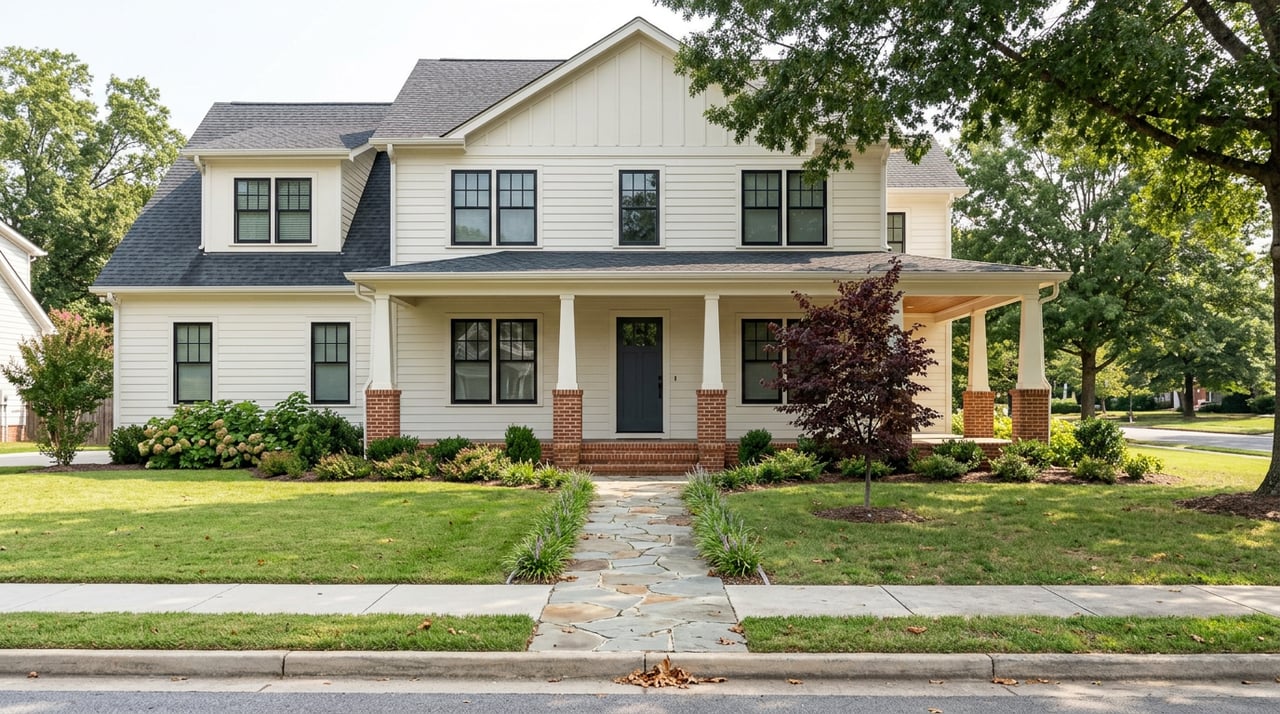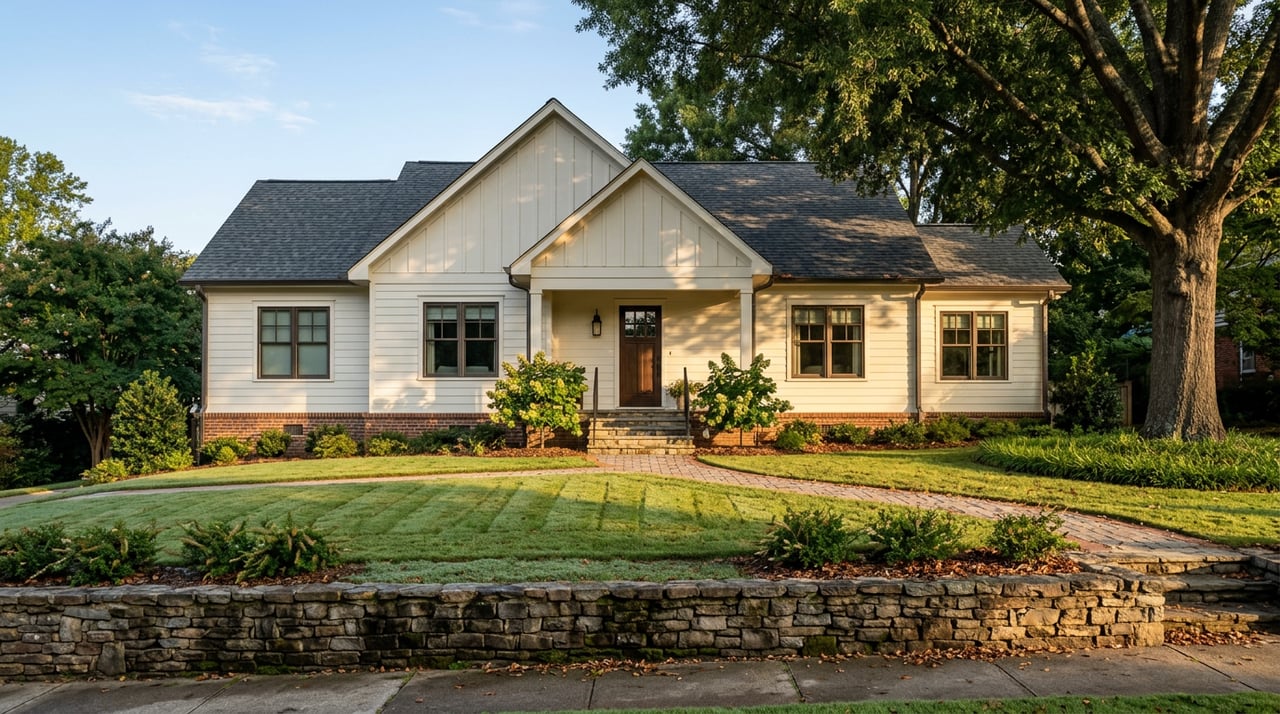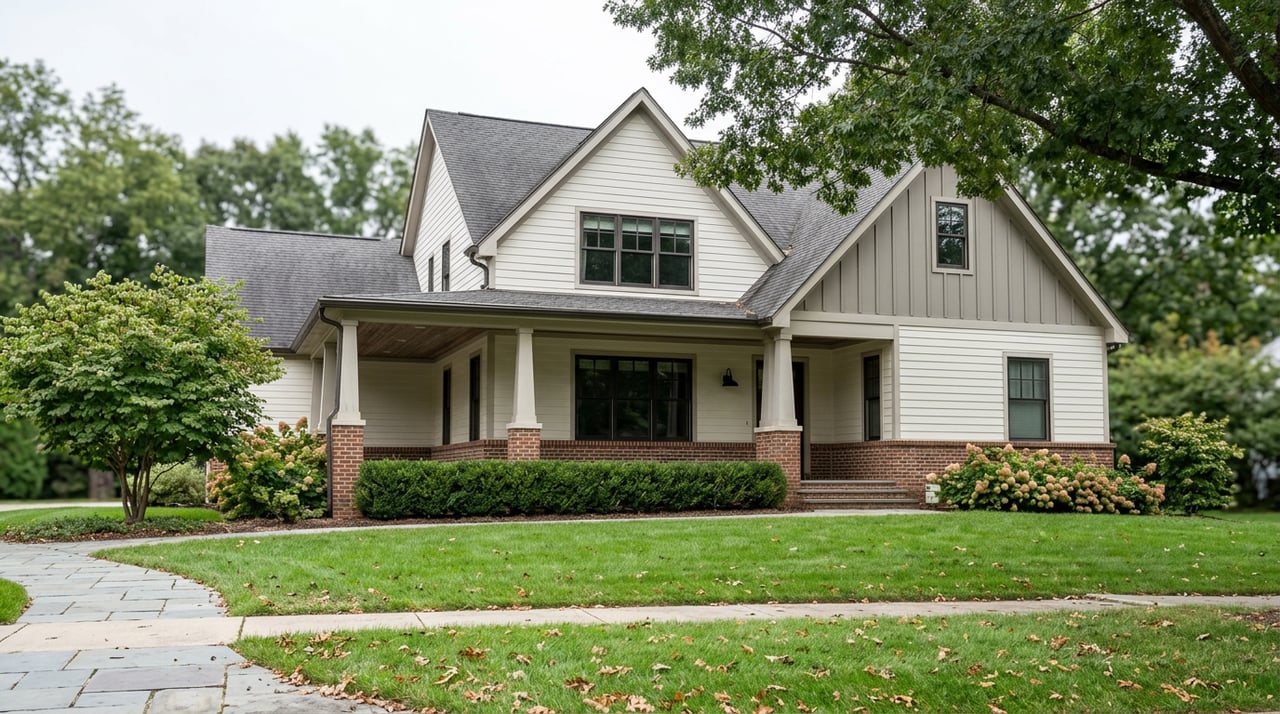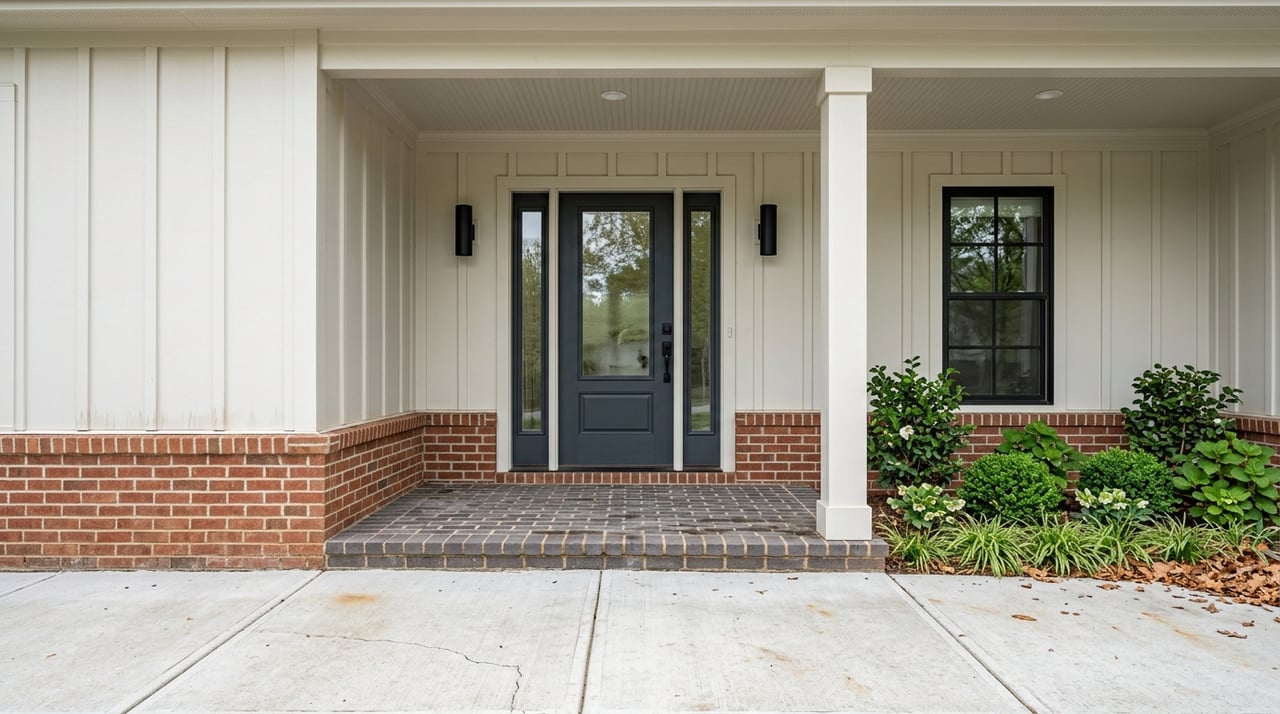
Thinking about trading square footage for simplicity in Chapel Hill? Downsizing can free up time, reduce upkeep, and put you closer to the places you use most, but choosing between a condo and a townhome takes more than comparing floor plans. If you want a move that feels easier, more predictable, and better aligned with how you live now, it helps to understand how Chapel Hill’s location, community rules, fees, and transit options can shape your decision. Let’s dive in.
Why Chapel Hill works for downsizing
Chapel Hill offers more than one kind of downsizing path. If you want a more walkable lifestyle, the downtown and Franklin Street area stands out for its pedestrian-focused design, with town investments in sidewalks, crosswalks, lighting, benches, and public spaces along Franklin and Rosemary streets. The town also describes 140 West Franklin and the downtown streetscape program as part of a more park-once, pedestrian-friendly environment.
That matters because downsizing is often about more than moving into a smaller home. You may also want easier errands, less driving, and quicker access to dining, retail, or community spaces. In Chapel Hill, that can mean looking at true downtown condos or attached homes in nearby neighborhoods that still support a lower-maintenance routine.
The local inventory is broader than many buyers expect. The town’s GIS neighborhood layer identifies condo- and townhome-oriented options such as 140 West, 515 Downtown Condominium, Carolina Square, East Franklin Townhouses, Greenway Condo - Meadowmont, Rosemary Village, Southern Village, and Standish Townhomes. That range gives you choices between urban-style condo living and townhome communities with a different balance of privacy and shared responsibility.
Condo vs. townhome basics
A condo and a townhome can look similar from the outside, but the ownership structure can be very different. Under North Carolina law, condominiums are generally governed by Chapter 47C, while many planned communities, including some townhome developments, are governed by Chapter 47F. In both cases, the association can set rules, adopt budgets, collect assessments, and maintain common areas, but the governing documents control the details.
For you, the practical takeaway is simple: do not assume the exterior style tells you what you are responsible for. A townhome may still have shared responsibilities for roofs, exterior paint, landscaping, parking, or stormwater if the declaration assigns them that way. The North Carolina condominium statutes are a reminder that the documents matter as much as the property type.
How condos usually differ
In a condo, your unit is typically treated as a separate parcel of real estate, while the association generally maintains common elements. That can make exterior upkeep more predictable, which appeals to many downsizers who want fewer maintenance tasks on their list.
At the same time, a condo often comes with more shared systems and more dependence on association management. Elevators, hallways, structured parking, and common amenities can be convenient, but they may also influence dues, reserve planning, and future assessments.
How townhomes usually differ
A townhome often gives you a little more separation and a more house-like layout. You may get direct entry, more storage, or less reliance on shared interior spaces, which some buyers prefer.
Still, the ownership details can vary widely from one community to another. One townhome neighborhood may cover landscaping and exterior maintenance through the HOA, while another may leave more of that to individual owners. That is why document review is so important before you make a decision.
What to review before you buy
When you downsize, monthly simplicity matters just as much as purchase price. North Carolina law requires associations to keep financial records and make them reasonably available to owners, which is why you should review the declaration, bylaws, budgets, reserve information, meeting minutes, and community rules before moving forward.
A careful review can help you avoid surprises and compare communities more accurately. Two homes with similar prices can have very different monthly costs and very different maintenance expectations.
Key questions to ask
Before you make an offer, look closely at:
- what the HOA dues cover
- whether special assessments appear likely
- how parking is assigned
- whether guest parking is limited
- whether there are pet restrictions
- whether there are rental restrictions
- who handles exterior repairs and landscaping
- how reserves are funded
These details can shape your everyday experience more than finishes or staging. A well-located home only feels easy if the rules and costs match your goals.
Everyday livability matters
Downsizing works best when the home supports your daily routine. In Chapel Hill, that means thinking through access, parking, storage, noise, and transportation, not just square footage.
If you plan to stay in your next home for many years, accessibility should move higher on your list. Features like step-free entry, elevator access, and parking close to the unit can make a real difference over time.
Features worth screening for
As you compare condo and townhome options, consider:
- step-free entry or elevator access
- assigned or covered parking near the unit
- storage for seasonal items
- delivery access and guest parking
- sound separation between units
- HOA rules on pets, rentals, and exterior changes
These items are easy to overlook during a quick showing. They become much more important once you imagine your day-to-day life in the space.
Transit and medical access
For many downsizers, convenience is not just about the home itself. It is also about how easily you can get where you need to go without relying on a car for every trip.
Chapel Hill has strong local transportation resources that can support that goal. Chapel Hill Transit accessibility services note that all fixed-route buses are ADA accessible, EZ Rider provides door-to-door service within three-quarters of a mile of a fixed-route stop, and the Senior Shuttle offers free, wheelchair-accessible, curb-to-curb service for seniors on weekdays.
If staying close to medical care is part of your plan, Chapel Hill also offers established care locations through UNC Health in Chapel Hill, including UNC Hospitals on Manning Drive and UNC Eastowne on Eastowne Drive. For buyers who want to remain near familiar providers or regular appointments, that can be a strong reason to focus your search here.
Understand the true monthly cost
A smaller home does not always mean a simpler budget. In Chapel Hill, your monthly carrying cost may include mortgage payments, HOA dues, property taxes, and potentially stormwater charges depending on how the development is set up.
Orange County lists the 2025/26 tax rates for Chapel Hill properties as 0.006383 for the county, 0.005 for the town, and 0.001479 for the Chapel Hill-Carrboro City Schools district. You can review current details on the Orange County taxes and licensing page. For downsizers, the main point is to budget based on the full monthly picture, not just the asking price.
Stormwater fees in Chapel Hill
One especially local cost to ask about is the stormwater fee. The town says these fees apply to properties within town limits based on impervious surface area, and for condos and townhomes the billing structure can vary by development. The fee may be shared equally, billed through the association, split between owners and the association, or divided proportionally, according to the town’s stormwater fee schedule.
That means two attached homes in Chapel Hill may carry different monthly obligations even if they seem comparable at first glance. It is also worth noting that the owner of record on January 1 is responsible, though the fee may be prorated at closing.
Timing your move in Chapel Hill
The timing piece of downsizing can feel just as important as the property search. You may need to coordinate the sale of a larger home with the purchase of a condo or townhome, and that often requires a clear plan before the right property appears.
The Orange Chatham Association of REALTORS® reported that in April 2024, Chapel Hill and Carrboro had 192 homes for sale, 1.9 months of supply, a median sales price of $605,000, and a median of 15 days on market. You can see that market snapshot in the association’s April 2024 report. While that is an all-properties view rather than a condo-only report, it suggests that well-positioned homes can move quickly.
Should you sell first or buy first?
There is no one-size-fits-all answer. Some downsizers choose to sell first so they can lock in proceeds and avoid carrying two homes. Others buy first because inventory is limited and they do not want to miss the right fit.
In many cases, the best solution is somewhere in the middle, such as negotiating a delayed closing or a short post-closing occupancy period. Your ideal sequence depends on your finances, flexibility, and how much competition you are seeing in the attached-home segment.
If you want to keep an eye on current condo and townhome trends, the Orange Chatham Association’s interactive market dashboard lets users sort by property type, city, county, month, and year. That can be helpful when you want a more current view of inventory and pricing.
A smart downsizing strategy
The best downsizing move is rarely just about going smaller. It is about choosing a home that makes life easier, supports your routines, and gives you confidence in the long-term costs and responsibilities.
In Chapel Hill, that usually means weighing walkability, transit access, medical convenience, HOA structure, parking, and monthly expenses alongside layout and location. A condo may offer the simplest maintenance profile, while a townhome may provide a more familiar setup with different ownership tradeoffs.
If you are preparing to downsize in Chapel Hill, a thoughtful plan can help you compare options clearly and move at the right pace. The team at Terra Nova Global Properties brings deep local knowledge and relationship-driven guidance to help you evaluate condos, townhomes, timing, and next-step strategy with confidence.
FAQs
What is the difference between a condo and a townhome in Chapel Hill?
- In Chapel Hill, the biggest difference is often the ownership and HOA structure, not just the building style. A condo usually has more shared common elements, while a townhome may have different maintenance and exterior responsibilities depending on the governing documents.
What should downsizers review before buying a Chapel Hill condo or townhome?
- You should review the declaration, bylaws, budget, reserve information, meeting minutes, rules, parking arrangements, pet policies, rental restrictions, and what the HOA dues actually cover.
Are Chapel Hill condos and townhomes good for a lower-maintenance lifestyle?
- They can be, especially if you want less exterior upkeep and easier access to shopping, transit, or medical care. The right fit depends on the community’s rules, fees, and maintenance structure.
How do transit options support downsizing in Chapel Hill?
- Chapel Hill Transit says all fixed-route buses are ADA accessible, and local options like EZ Rider and the Senior Shuttle can make it easier to live with less driving in a smaller, well-located home.
What extra costs should buyers budget for when downsizing in Chapel Hill?
- In addition to mortgage costs, you should budget for HOA dues, Orange County and Chapel Hill property taxes, the Chapel Hill-Carrboro City Schools district tax, and any applicable stormwater fees.
Is downtown Chapel Hill a good place to look for downsizing options?
- It can be a strong option if you want a more walkable lifestyle. The downtown area benefits from pedestrian-focused streetscape improvements and includes condo-oriented housing choices near Franklin and Rosemary streets.