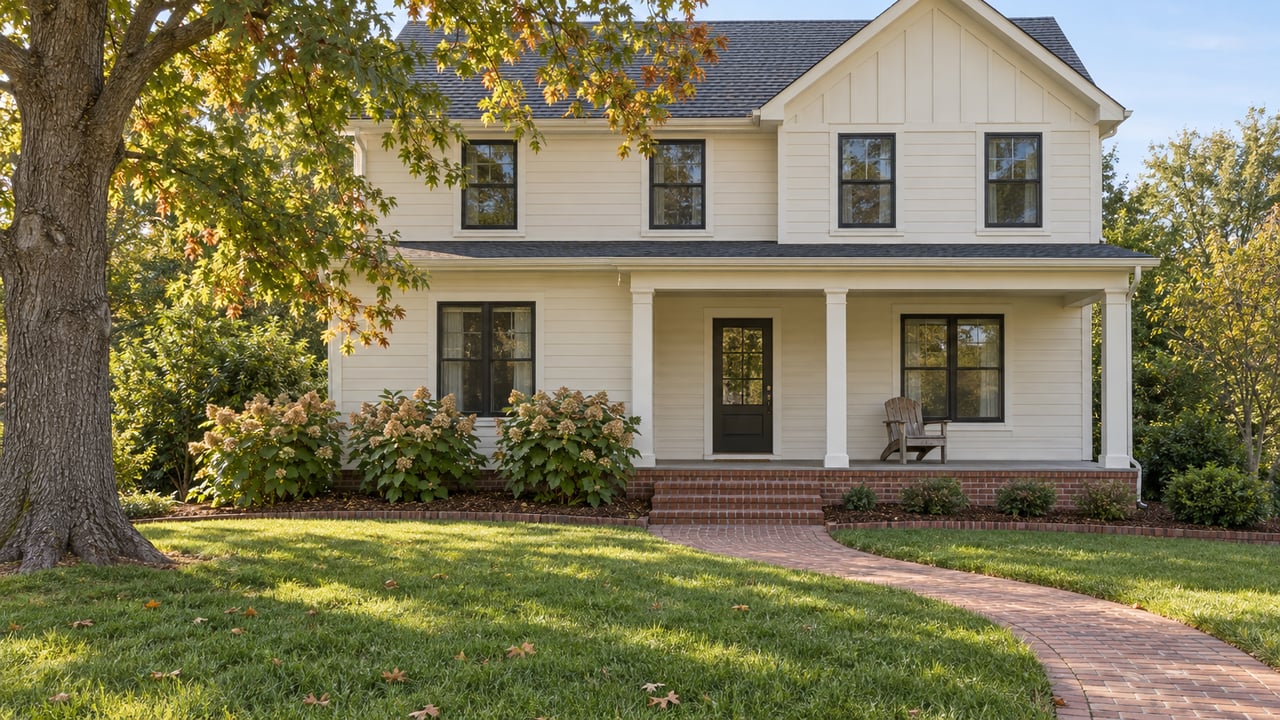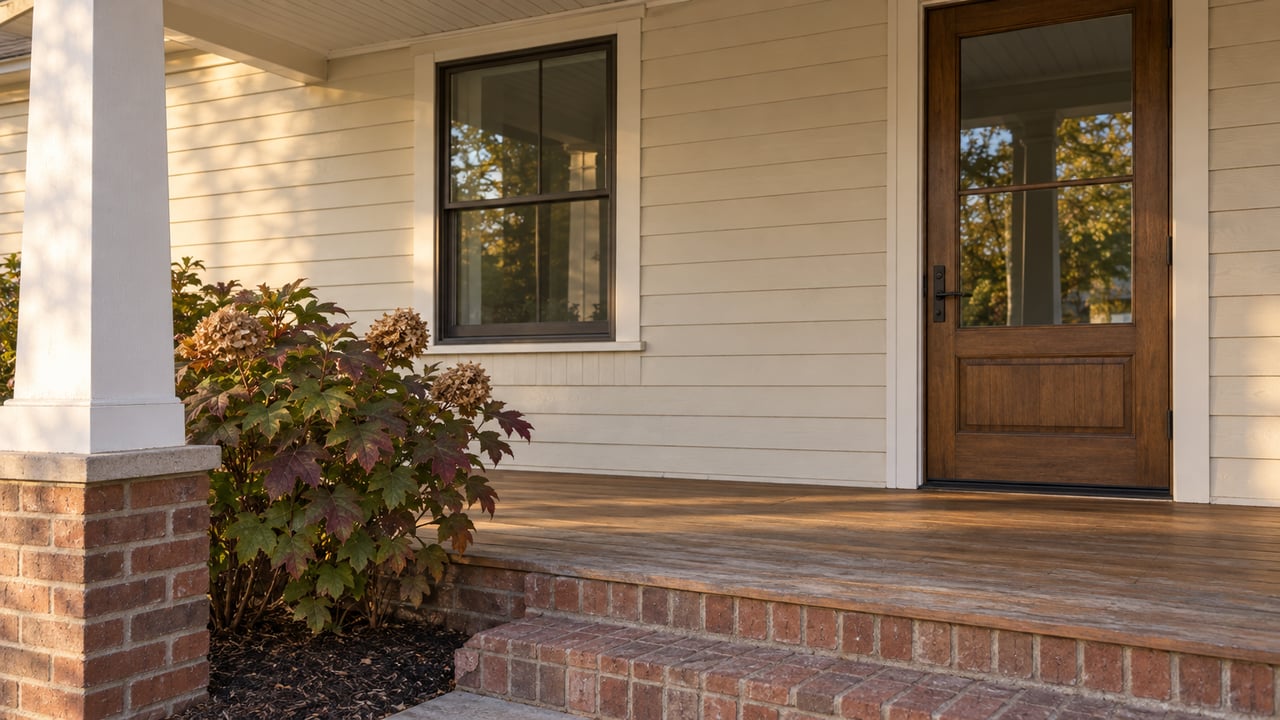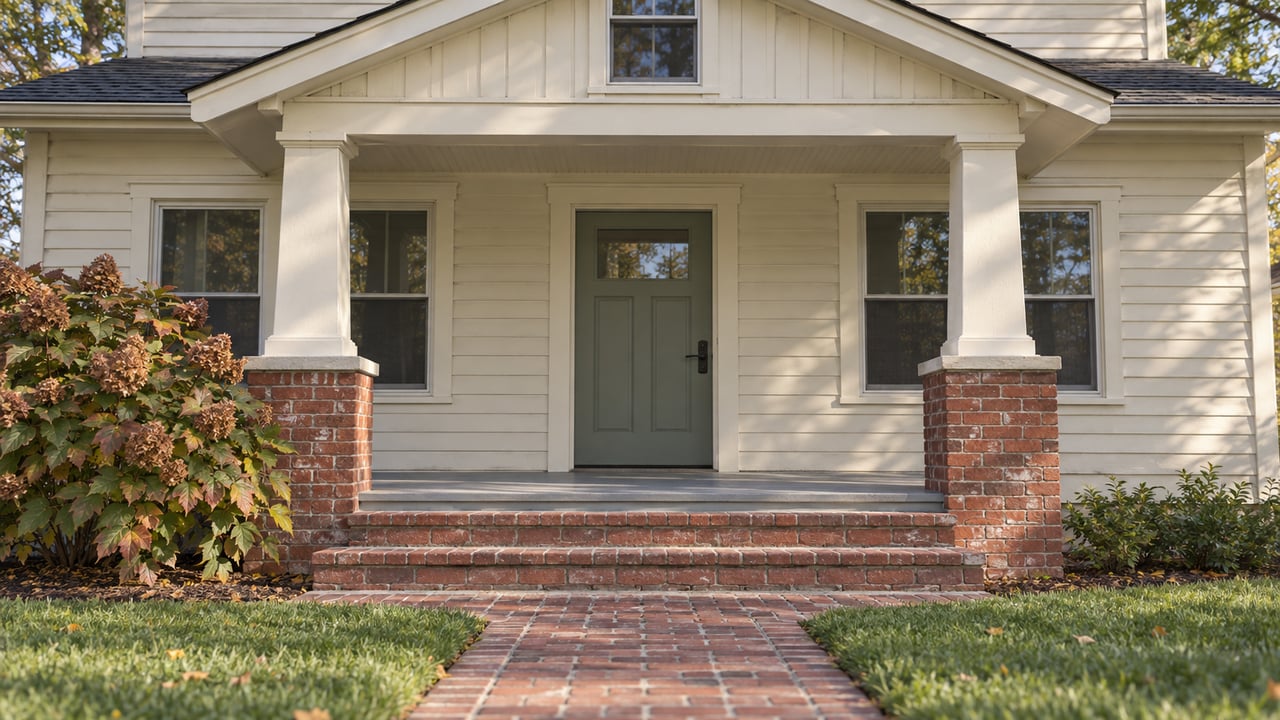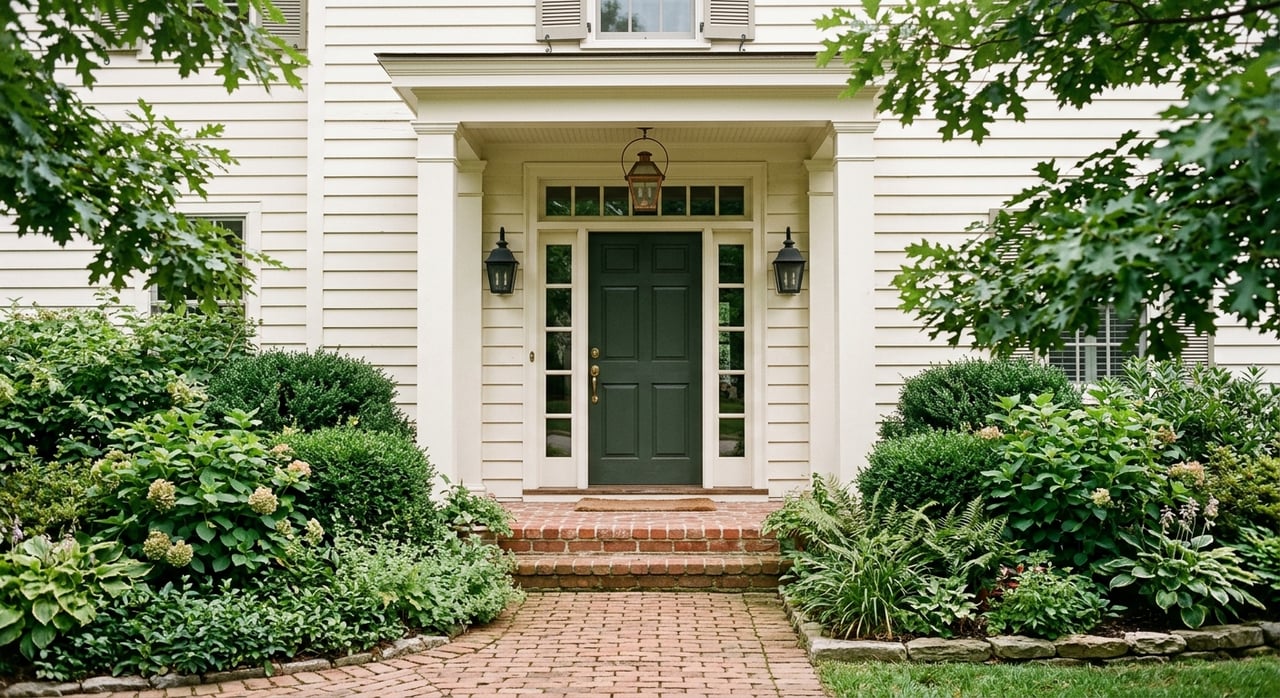
If you have your eye on a historic home in Hillsborough, you are probably drawn to more than square footage. You may be picturing original woodwork, deep porches, old brick, and a setting with real architectural character. At the same time, buying an older home comes with questions about condition, approvals, insurance, and long-term upkeep. This guide will walk you through what to expect so you can move forward with more clarity and confidence. Let’s dive in.
What makes Hillsborough historic homes unique
Hillsborough’s local historic district has been in place since 1973 and overlaps the National Register district. According to the town, it includes the commercial core and nearby residential areas, with more than 100 houses, churches, and buildings dating from the late 1700s to contemporary construction.
That range matters when you start your search. A “historic home” in Hillsborough does not describe one style, one era, or one condition level. You may see everything from very old homes with period details to newer properties located within the district boundaries.
Why district rules matter
If a home is in a designated historic district, exterior changes may require a Certificate of Appropriateness, often called a COA. Under North Carolina law, that approval is generally required before exterior features are erected, altered, restored, moved, or demolished, even if no other permit is needed.
For most buyers, the key takeaway is simple: interior updates are usually treated differently from exterior changes. Review typically focuses on what can be seen from the outside, unless a specific landmark designation includes interior features.
Hillsborough’s design standards cover many of the items buyers ask about most, including:
- Masonry
- Wood features
- Windows and doors
- Roofs
- Porches
- Accessibility and life safety
- Utilities
- Energy retrofit work
- Disaster preparedness
This means owning a historic home in Hillsborough is not just about enjoying character. It also means understanding that exterior stewardship is part of the ownership experience.
Know the approval process before you renovate
Not every repair turns into a major review, which is good news for buyers. State law allows ordinary maintenance and repair when the work does not change the design, material, or appearance, and some minor work may be reviewed by staff rather than the full commission.
Still, if your plans would change how the exterior looks, it is smart to check first. The town notes that lighting, signs, and even tree removal can be regulated in the historic district, and zoning compliance permits may also be required.
Hillsborough encourages owners and buyers to discuss plans with staff before starting work. The town also recommends meeting with staff 4 to 6 weeks before submittal, and completed COA applications are due by noon on the Wednesday three weeks before a Historic District Commission meeting.
Focus your inspection on building systems
When you tour a historic home, it helps to think beyond cosmetic charm. Older homes should be evaluated as a systems question, meaning you want to understand how the building envelope has held up, whether repairs were compatible with the structure, and whether deferred maintenance may need attention soon.
One of the biggest themes in historic-building guidance is moisture. Roof leaks, poor drainage, broken downspouts, and grading issues can affect foundations, masonry, and nearby wood elements over time.
As you evaluate a property, pay close attention to:
- Roof condition and signs of past leaks
- Gutters and downspouts
- Grading around the home
- Crawlspaces or basements
- Masonry condition
- Wood trim, porches, and painted surfaces
- Evidence of recurring exterior maintenance issues
These are often the issues that tell you the most about how an older home has been cared for.
Lead paint and older materials to ask about
If the home was built before 1978, you should expect the possibility of lead-based paint. The EPA says buyers of these homes should receive lead disclosure information before becoming obligated to buy and have the opportunity to test for lead.
If future repairs or renovations could disturb painted surfaces, lead-safe practices matter. The EPA also advises that work disturbing lead paint should be performed by lead-safe certified firms.
Older plumbing can be worth discussing too. EPA guidance notes that lead pipes are more likely in older cities and in homes built before 1986, so water testing may be a useful follow-up depending on the home’s age and plumbing history.
Budget for maintenance, not just updates
A historic home budget should include more than your purchase price and cosmetic wish list. In many cases, the bigger question is what level of ongoing maintenance the home will need to preserve exterior materials and address age-related wear.
Replacement decisions can also be more nuanced in a historic district. For example, windows, masonry, porches, and roofing materials may need to be repaired or replaced in ways that align with local standards, which can affect cost and project timing.
That does not mean historic ownership is a burden. It means the best buyers go in with a realistic maintenance plan and a clear understanding of which projects are immediate, which are elective, and which may require town review.
Understand insurance before you close
North Carolina does not require homeowners insurance by law, but lenders often do. For any home, and especially an older one, it is wise to understand exactly what your policy does and does not cover before closing.
The North Carolina Department of Insurance says most homeowners policies do not cover flood, earthquakes, mudslides, mudflow, or landslides. It also advises buyers to confirm whether a policy is written on a replacement-cost basis or an actual-cash-value basis.
That distinction can be especially important with historic homes. Rebuilding with similar materials can be costly, and NCDOI says owners should generally carry coverage equal to at least 80% of the home’s full replacement cost to avoid reduced claim payments.
It is also smart to revisit your policy as you improve the property. NCDOI advises owners to update their insurance agent as renovations are made, and notes that wind and hail coverage may be separate depending on underwriting and location.
Compare the historic core with newer areas
Hillsborough’s market remains active by recent public-market measures. Zillow reported an average home value of $476,613 and homes going pending in around 15 days as of March 31, 2026, while Redfin reported a March 2026 median sale price of $499,000 and a 10-day median market time.
Within the historic core, inventory appears more limited. Redfin’s historic-district filter showed 8 homes for sale at a median listing price of $493,000, with a 34-day median market time. Its vintage-homes page showed 16 vintage homes for sale at a median listing price of $492,000.
That limited supply can make the historic core feel like a small submarket rather than a broad neighborhood category. If you are shopping there, you may need to be patient on inventory while also being ready to act when the right property appears.
By contrast, Hillsborough is also adding newer housing on the edges of town. The town’s future land use plan contemplates additional medium-density and attached residential areas, and approved projects include Collins Ridge, Waterstone South, and Persimmon at Cates Creek/Moren Tract.
For buyers, the choice often comes down to priorities. Historic homes may offer architectural character and a distinct ownership experience, while newer homes may offer modern layouts, energy-efficient features, and simpler maintenance in the near term.
Decide if a historic home fits your lifestyle
The right historic purchase is usually about fit, not just charm. You may be a strong match for Hillsborough’s historic core if you value original details, understand that exterior changes may need review, and are comfortable planning for ongoing maintenance.
If you want a more turnkey experience, a newer home elsewhere in Hillsborough may align better with your goals. Neither option is better across the board. The best choice is the one that matches how you want to live, maintain, and invest in your property over time.
Buying in Hillsborough’s historic district can be deeply rewarding when you go in informed. If you want help comparing older homes, newer options, and the practical tradeoffs between them, Patricia Owen can help you evaluate the market with a local, thoughtful approach.
FAQs
What is a historic district home in Hillsborough?
- A home in Hillsborough’s local historic district is located within an area regulated by the town’s preservation ordinance, which includes the commercial core and surrounding residential neighborhoods.
What exterior changes need approval for a Hillsborough historic home?
- Exterior work that erects, alters, restores, moves, or demolishes features generally may require a Certificate of Appropriateness, while some minor work may qualify for staff review.
What inspection issues matter most for older homes in Hillsborough?
- Pay close attention to moisture-related issues such as roof condition, drainage, gutters, downspouts, crawlspaces or basements, masonry, and wood elements because these can signal broader maintenance patterns.
What should buyers know about lead paint in Hillsborough historic homes?
- If the home was built before 1978, you should expect possible lead-based paint, receive lead disclosure information before purchase, and consider testing or lead-safe renovation practices when work is planned.
Is homeowners insurance different for a historic home in North Carolina?
- Insurance basics are similar, but replacement cost can be especially important for older homes because rebuilding with similar materials may cost more, and standard policies often do not cover flood or certain other hazards.
Are historic homes in Hillsborough harder to find?
- Inventory in the historic core appears limited based on recent public listings, so buyers may see fewer options than they would in newer parts of Hillsborough.