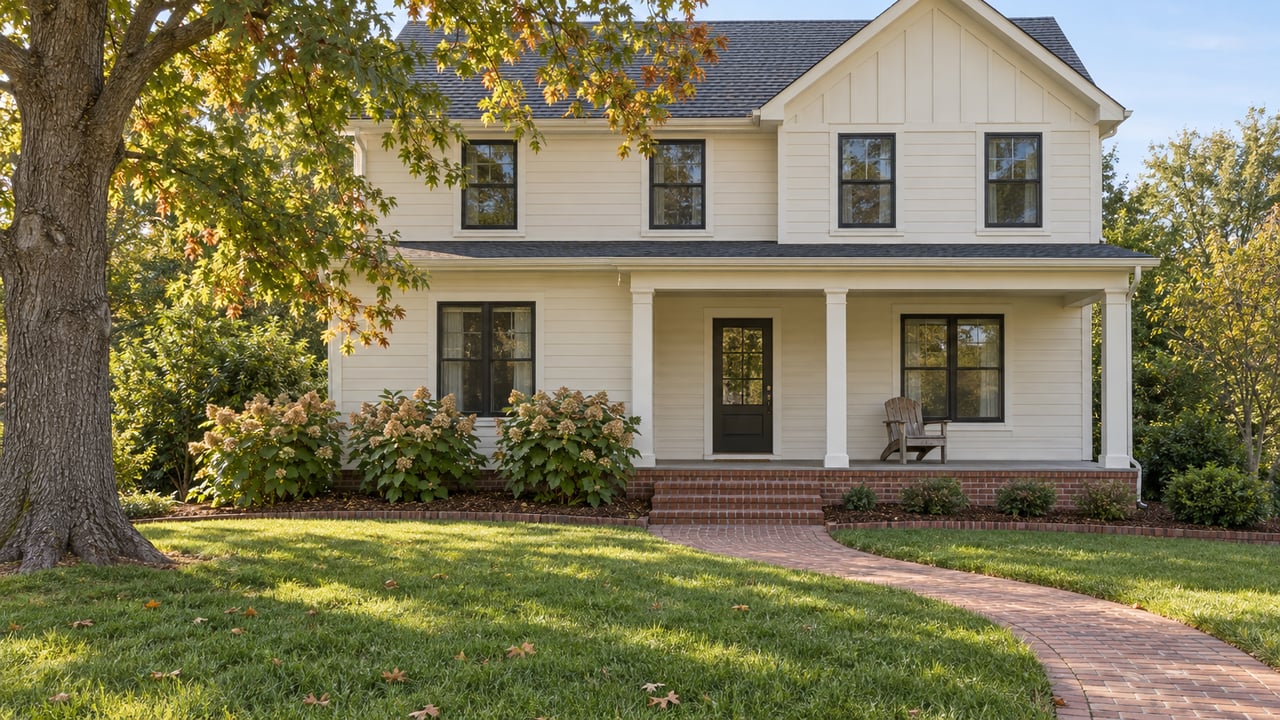
If you are looking for steady rental demand in Durham, the big story is not one hot block or one tenant type. It is the city’s broad demand base. With nearly half of Durham County households renting, a citywide median rent of $1,800, and major employment and education anchors spread across the market, Durham gives investors several places to look for durable leasing activity. Let’s dive in.
Why Durham Draws Consistent Renters
Durham County has 329,405 residents, and 49.6% of households are renter households. That matters because it points to a large, established rental market rather than a niche one. The county’s median household income of $84,767 also suggests a renter base with a range of housing needs and price points.
The city benefits from several year-round demand drivers. Duke brings 17,325 students and 48,313 employees, while Research Triangle Park has more than 55,000 employees across more than 385 companies. Duke Health also draws patients from both nearby communities and farther away, which supports housing demand tied to medical work, training, and temporary relocation.
For investors, that mix can be a real advantage. Instead of relying on a single renter segment, Durham pulls demand from students, graduate students, faculty, medical staff, research professionals, and other working households. That kind of diversity can help support occupancy through different market cycles.
Duke-Area Rentals Often Absorb First
One of the clearest places investors look is the Duke-adjacent area, especially around West Campus. Historical Durham Compass data listed Old West Durham, Watts-Hillandale, Southside, Downtown, and Morehead Hill among the city’s higher-rent neighborhoods in 2018. More recent Zumper data show Duke University–West Campus with a median rent of $1,613 in May 2026, along with 11% year-over-year rent growth.
Just as important, 92% of households in that submarket are renter-occupied. That level of renter concentration usually points to a neighborhood where leasing is already part of the normal housing pattern. It can also mean a deep pool of tenants who value proximity to campus, medical facilities, and related employment.
The likely renter profile here is fairly clear. Students, graduate students, visiting faculty, medical trainees, and Duke Health employees all fit the area well. For buy-and-hold investors, this makes the Duke area appealing when you want consistent leasing demand tied to an institution with a large, stable presence.
Downtown Durham Offers Demand With Tradeoffs
Downtown Durham is another area that often attracts investors, but it comes with a different profile. The Downtown Durham Compass profile shows 6,304 residents and 41.8% renter households. Current rent data vary, with Northmarq reporting a downtown asking rent of $1,624 in Q4 2025 and Zumper showing a median rent of $1,852 in May 2026.
That pricing range suggests downtown remains competitive, especially for renters who want a central location and nearby amenities. Northmarq also reported that Downtown Durham had the highest concentration of multifamily sales in 2025. That level of transaction activity can signal strong investor interest and continued confidence in the submarket.
There is an important detail behind those trades. Northmarq found that 80% of the multifamily assets that traded downtown were built before 2000. In practical terms, that means downtown may work best for investors who are comfortable evaluating older housing stock, planning for capital improvements, and reserving for maintenance over time.
RTP and South Durham Appeal to Professionals
The RTP and South Durham corridor is another place investors often watch closely. Research Triangle Park reports more than 55,000 employees and more than 385 companies, and it notes average commute times in the Triangle under 25 minutes. For renters who prioritize job access and convenience, that combination can support strong demand.
Zumper’s May 2026 data show average rent in RTP at $2,295, up 34.24% year over year. While no single metric tells the whole story, that level of rent growth suggests strong pricing power in this corridor. It also points to a tenant pool that may be looking for newer finishes, low-maintenance living, and practical commuting options.
In this part of Durham, commuter-friendly product often makes the most sense. Newer townhomes, single-family rentals, and higher-end apartments may line up well with demand from tech, biotech, and other professional households. If your strategy leans toward well-located, newer inventory, this corridor deserves a close look.
What Cap Rates Suggest in Durham
Strong rental demand is only part of the picture. Investors also need to understand how pricing and yield fit together. Northmarq’s Raleigh-Durham multifamily reports say cap rates averaged 5.0% to 5.5% throughout 2025, with Durham averaging 5.5% in Q4.
That range is useful because it gives you a rough benchmark for stabilized multifamily in the market. In general, well-located Durham multifamily tends to trade in the low-to-mid 5% cap-rate range. If a property is older, has more operating questions, or sits in a less proven location, investors usually want more yield to offset that added risk.
The broader regional picture also helps. Northmarq reported that the market absorbed more than 21,000 units since the start of 2024, while vacancy stayed around 7.5% to 8.0% despite heavy supply. In other words, demand has remained elevated even as new units entered the market.
Operating Model Matters as Much as Location
In Durham, where you buy matters, but how you plan to operate the property matters too. The city’s Unified Development Ordinance defines overnight accommodations as residential units arranged for stays of less than 30 days, with uses such as hotels, motels, inns, extended-stay facilities, and bed-and-breakfasts. That means short-term rental plans are zoning-sensitive and depend on the parcel and permitted use.
For many investors, long-term leasing is the more straightforward path. It aligns with Durham’s broad university, medical, and employment base and tends to be the most resilient model in the local market. Furnished short stays may still be viable in select locations near Duke, downtown, or RTP, but they should be treated as a more specialized strategy rather than the default plan.
Another useful option is the accessory dwelling unit, or ADU. Durham allows one ADU on a residential lot with one or two primary dwellings. The rules cap each ADU at 1,000 square feet on a single story or 1,200 heated square feet total, require no additional parking, and do not require a special use permit.
That makes ADU-based long-term rental income one of Durham’s clearest small-scale infill opportunities, as long as the lot and title support it. For homeowners and smaller investors, an ADU can create added flexibility without requiring a completely separate acquisition. It is one more reason to look at zoning and site potential early in your search.
Compliance Can Protect Your Returns
Steady rental demand does not remove the need for careful operations. Durham’s Proactive Rental Inspection Program applies to all residential rental properties in the city. Owners with three or more Minimum Housing Code violations in the prior year must register the property unless they qualify for the compliance incentive program.
That is an important reminder for buy-and-hold planning. In Durham, the investment case is not just about buying in the right submarket. It is also about maintaining the property well, budgeting for repairs, and treating compliance as part of your operating model.
Older properties, especially in areas with strong demand, can still be compelling investments. But they often require more disciplined reserve planning and more attention to maintenance. In many cases, the strongest rental strategy is the one that balances location, condition, and management reality from day one.
Where Many Investors Start in Durham
If you are narrowing your options, three Durham areas often come up first:
- Duke-adjacent neighborhoods for renter-heavy demand tied to students, medical trainees, faculty, and health system employees
- Downtown Durham for central location demand, with the understanding that older asset profiles may require more capital planning
- RTP and South Durham for professional renter demand, commuter-friendly housing, and strong recent rent growth
Each one serves a somewhat different renter profile. That is why your best fit depends on your budget, property type, and tolerance for capex and operational complexity. The right investment is not just in Durham. It is in the part of Durham that matches your strategy.
If you are weighing Durham opportunities and want a practical read on submarket fit, asset type, or buy-and-hold positioning, Patricia Owen can help you evaluate your options with a local, data-informed lens.
FAQs
What areas in Durham often show steady rental demand for investors?
- Duke-adjacent neighborhoods, Downtown Durham, and the RTP/South Durham corridor are three of the most watched areas because they are supported by major employment and education anchors.
What supports Durham rental demand year-round?
- Durham benefits from a broad renter base that includes Duke students and employees, Duke Health-related demand, and workers tied to Research Triangle Park.
What is the median rent in Durham?
- Zumper’s May 2026 data show a citywide median rent of $1,800 in Durham.
What is notable about Duke University–West Campus rentals in Durham?
- Zumper’s May 2026 data show a median rent of $1,613, 11% year-over-year growth, and 92% renter-occupied households in the Duke University–West Campus area.
What should investors know about Downtown Durham rentals?
- Downtown has active investor interest and competitive rents, but many traded multifamily assets were built before 2000, so capital planning and maintenance reserves are especially important.
What makes the RTP and South Durham corridor attractive to renters?
- The area benefits from access to Research Triangle Park’s large employment base and has shown strong recent rent growth, which can support demand for commuter-friendly housing.
What cap rates have been typical for Durham multifamily?
- Northmarq reported Raleigh-Durham multifamily cap rates averaging 5.0% to 5.5% in 2025, with Durham averaging 5.5% in the fourth quarter.
What should investors know about short-term rentals in Durham?
- In Durham, stays of less than 30 days are zoning-sensitive and parcel-specific, so short-term rental plans should be reviewed carefully before purchase.
Are ADUs allowed for rental use in Durham?
- Durham allows one ADU on a residential lot with one or two primary dwellings, subject to size rules, with no additional parking requirement and no special use permit required.
Why does property compliance matter for Durham rentals?
- Durham’s Proactive Rental Inspection Program applies to all residential rentals in the city, which means maintenance, code compliance, and reserve planning are important parts of long-term performance.