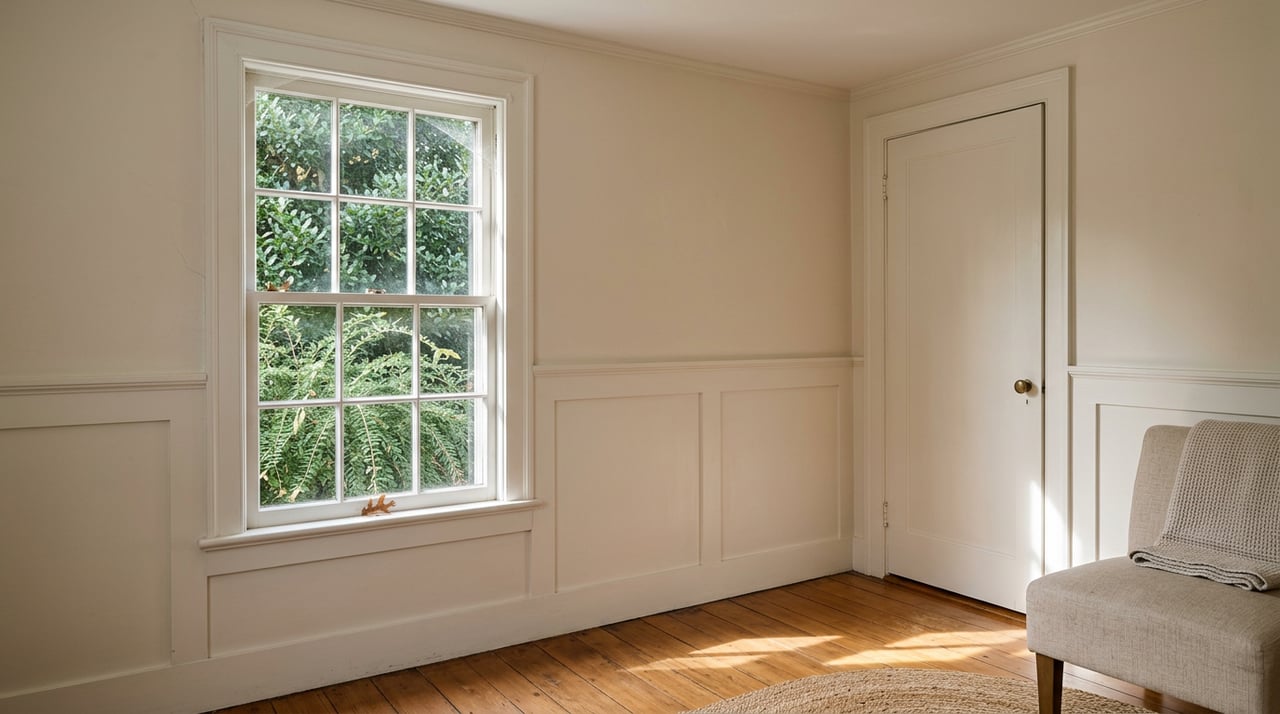
Most sellers assume bedroom count is a matter of counting doors. A room has a closet, it has a window, it is not a bathroom. Four rooms like that, you have a four-bedroom house. That is how the appraisal works, how the listing photos get captioned, and how most homeowners think about their own square footage.
In Pittsboro, that is not how it works. According to Septic & Well Pro, the number that actually determines how many bedrooms a home is allowed to be sold as lives in a document most owners have never seen: the septic Operation Permit on file with Chatham County Environmental Health. If that permit was issued for three bedrooms and a fourth room got finished out sometime in the last thirty years, that mismatch is a quiet, recurring snag for buyers and sellers of Pittsboro's older housing stock, and it rarely gets caught until someone is already deep into a transaction.
The Permit Is The Real Floor Plan
North Carolina ties septic system capacity directly to bedroom count because bedroom count is how the state estimates wastewater flow. A system sized and permitted for three bedrooms is engineered to handle roughly that much daily flow through the tank and drain field. Add a bedroom without updating the permit, and the system is now serving more people than it was designed for, even if nothing on the surface looks different.
That is why North Carolina real estate practice puts the burden on the listing side to check. Brokers are required to confirm that a home's stated bedroom count matches the septic permit on file and to include a copy of that permit in the MLS listing. A converted home office, a finished bonus room over the garage, a den that quietly became bedroom number four sometime after a previous owner's renovation: none of that counts as a legal bedroom unless the septic system was permitted to support it.
The gap surfaces at the worst possible moment. A buyer's lender orders a septic inspection late in due diligence, the inspector pulls the permit record, the bedroom count on file doesn't match what's on the listing, and now there's a negotiation nobody planned for. Only inspectors certified by the North Carolina On-Site Wastewater Contractors and Inspectors Certification Board are authorized to perform that point-of-sale inspection, so this isn't something a general home inspector or the plumber who services the tank every few years can sign off on.
Why This Bites Harder On Pittsboro's Older Stock
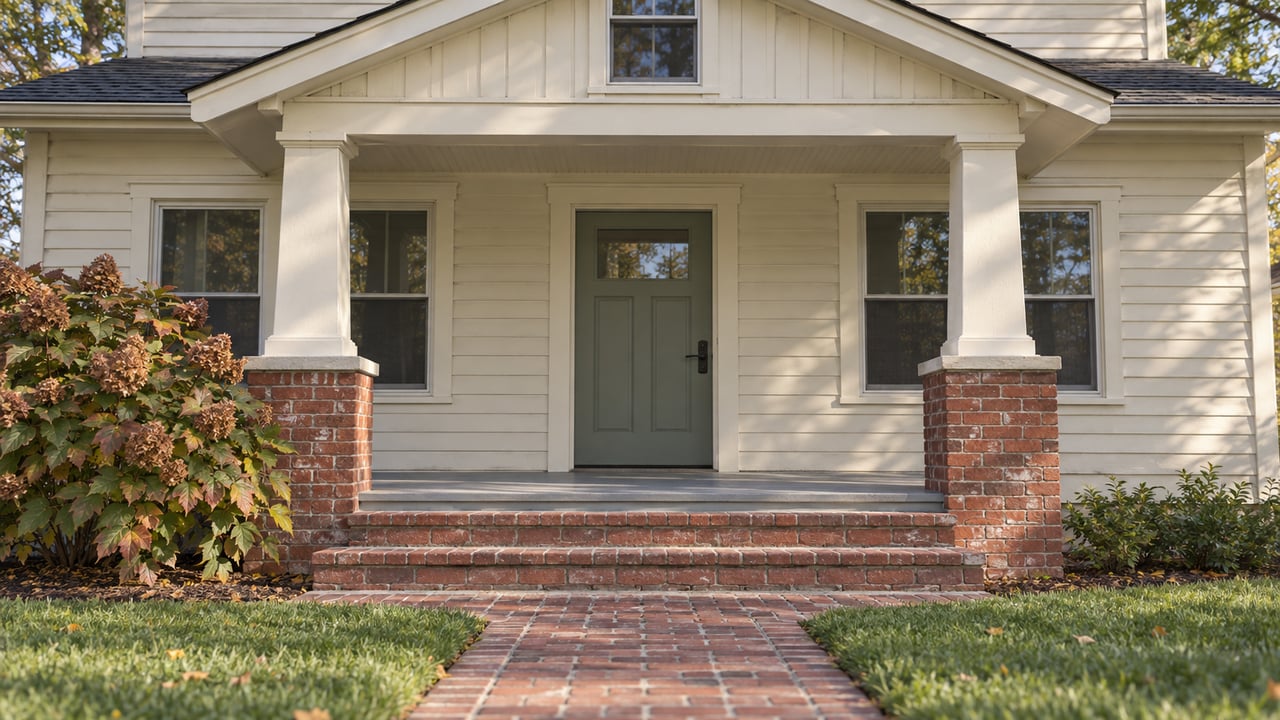
This friction is not evenly distributed across the town. Downtown Pittsboro's housing stock leans heavily on early 1920s bungalows and 1950s ranch-style homes, the kind of houses that have had decades to accumulate additions, finished attics, and converted porches. Each of those projects was an opportunity for the bedroom count to drift away from whatever permit exists in the county's files, often without anyone involved realizing there was a permit to drift away from in the first place.
Contrast that with the newer construction rising in Chatham Park, the master-planned community anchoring Pittsboro's growth. Homes there connect to the Town of Pittsboro's municipal water and sewer system rather than a private septic field, so the bedroom-permit question simply does not apply. A four-bedroom home in Chatham Park is four bedrooms because the town's utility infrastructure has no bedroom-based capacity limit the way a septic system does.
That divide has been building for years. In a 2022 board meeting, Pittsboro commissioners walked through the town's water and sewer capacity constraints in detail, tying planned upgrades to the Chatham Park Water Recovery Center and a regional force main agreement designed to expand treatment capacity as the development scales. The growth behind that planning has a side effect that rarely makes the headlines: it has pulled soil scientists and licensed septic contractors toward new-construction work across the county, which means legacy homeowners near downtown who need a permit pulled or a system evaluated are often waiting longer for the same appointment they'd have gotten quickly a decade ago.
The Setback Math That Limits What You Can Fix
Even once a mismatch is identified, fixing it is not always as simple as calling a contractor. According to Septic & Well Pro, Chatham County's rules set fixed distances between a well, a septic tank, and a drain field, and those distances do not bend for a tight in-town lot. A well must sit at least 50 feet from a septic tank and at least 100 feet from a drain field or soil absorption system, with another 100-foot buffer required from any animal waste area. On a generous rural parcel those setbacks are an afterthought. On a quarter-acre lot two blocks off Pittsboro's downtown circle, they can eliminate the option of expanding a drain field at all, which means the fix for an undersized system might not be an upgrade so much as an argument for keeping the extra room as a den on paper.
This is also where the contrast with new subdivisions becomes a selling point rather than a burden. Larger new-build lots on the edges of town are being marketed with the septic sizing already resolved. Estate-lot listings in developments like Braxton Hill, just beyond Pittsboro's town limits, have leaned on having a five-bedroom septic permit already on file as a selling feature, because on acreage there is room to design around the setback math from day one. In-town buyers rarely get that luxury. They inherit whatever a previous owner's soil conditions and lot lines allowed decades ago.
What To Pull Before You List Or Make An Offer
For anyone on either side of a Pittsboro transaction involving a private well and septic system, the due diligence list is short but specific:
- Request a copy of the Operation Permit or Improvement Permit from Chatham County Environmental Health and confirm the bedroom count it was sized for. These records are public and the county's Environmental Health office can pull them even if the current owner has lost their copy.
- Confirm any point-of-sale inspection is performed by an NCOWCICB-certified inspector. A pumping company or general contractor cannot substitute for this certification in a real estate transaction.
- Ask for pumping and maintenance history. A tank that has gone untouched for a decade tells an inspector a different story than one pumped every few years.
- Locate the tank and drain field on the property before assuming a future addition, garage, or even a fence line is possible. The 50-foot and 100-foot setbacks apply regardless of how much yard space looks available.
- If you're buying raw land or an older lot with an expired system, note that Chatham County says an Improvement Permit is only valid for five years, and the Construction Authorization tied to it carries the same five-year window from the date the Improvement Permit was issued. Timelines matter more than they first appear.
A Separate Note For Chatham Park Buyers
None of this applies if you're looking at new construction inside Chatham Park itself. The Town of Pittsboro provides municipal water and sewer to that development, which removes the bedroom-permit question entirely. But the same growth that makes Chatham Park attractive is the reason septic-side appointments for everyone else in the county have gotten harder to book. If your due diligence period depends on getting a certified inspector or a soil scientist out to a legacy property near downtown, it pays to schedule that call the moment you're under contract rather than waiting until the final week.
Frequently Asked Questions
Does every home sale in Pittsboro require a septic inspection? North Carolina does not mandate a septic inspection for every sale by state law, but most mortgage lenders, particularly FHA and VA loans, require one in practice, and the state's broker verification rule around bedroom count and permit records makes it standard practice regardless.
What if the seller doesn't have a copy of the septic permit? Chatham County Environmental Health keeps records on file and can issue a copy for existing systems, though older properties sometimes require a records search rather than a simple lookup.
Does the five-year Improvement Permit expire if the house never gets built or renovated? Yes. The Improvement Permit and its associated Construction Authorization are both tied to that five-year window from issuance, which matters most for land buyers or anyone planning a septic upgrade tied to a future addition.
If you're weighing a purchase in one of Pittsboro's older in-town neighborhoods or preparing to list a home that's had work done over the years, the septic paperwork is worth resolving before it becomes a closing-week surprise. Terra Nova Global Properties works these transactions across Chatham County regularly and can walk you through what to pull and when. Let's Connect.
This article is general information, not legal, tax or financial advice. Consult a qualified professional about your situation.